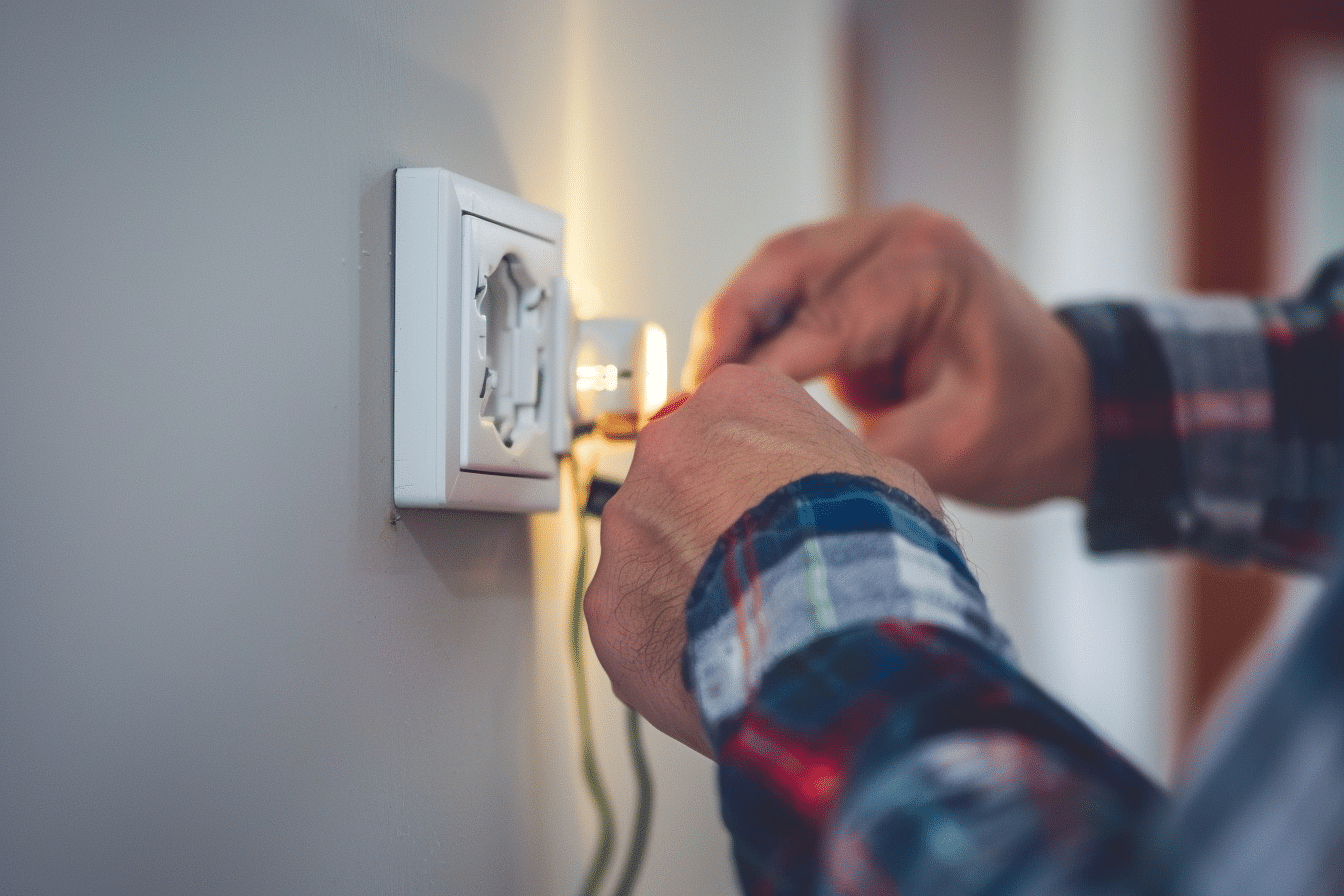
Safety switch tripping

Why Is My Safety Switch Tripping When Nothing’s Plugged In? Here’s What’s Really Going On

You’re standing there, staring at the safety switch like it just personally insulted you. Nothing’s plugged in, but it tripped again. You flick it back up—click. A few seconds later—click.

Now, if you’re questioning everything—”What the hell is going on? Did I miss something? Is this about to turn into a bigger problem?”—take a breath.

We’ve seen this hundreds of times across Newcastle homes, and while it’s frustrating, it’s usually not random and definitely not something to ignore. There’s always a reason—even if it’s hiding behind your walls. Let’s get to the bottom of it.

1. A Faulty Appliance Could Still Be the Problem

Just because nothing is plugged into an outlet doesn’t mean an appliance isn’t the cause.

Some appliances—like a hot water heater, air conditioner, or oven—are hardwired into your electrical system. If one of these develops a fault, water damage, or insulation breakdown, your safety switch will keep tripping even though everything looks fine on the surface.

How to Check:

Turn off all major appliances at their main switch or circuit breaker (hot water system, air con, oven).

Reset your safety switch.

Turn each appliance back on one at a time—if the safety switch trips when you power one back on, you’ve found the issue.

Still tripping? Keep reading.

2.  Moisture in Your Electrical System (More Common Than You Think)

Newcastle’s humidity, coastal air, and seasonal storms can wreak havoc on electrical systems. Moisture buildup in switchboards, outdoor power points, or wiring can trigger your safety switch—even if there’s no obvious water leak.

This is especially common in:

  • Outdoor power points are exposed to the weather.
  • Bathrooms, laundries, and kitchens, where steam or leaks can creep into outlets.
  • Garages and sheds, where condensation builds up over time.

How to Fix It:

Check for damp power points, condensation, or corrosion.

 If it started after heavy rain, moisture could be in your switchboard—don’t ignore it.

If you suspect moisture is inside your walls or wiring, call an electrician.

3. Faulty or Deteriorating Wiring (Especially in Older Homes)

If your home is more than 20 years old, there’s a chance that worn-out wiring is causing leakage currents—triggering the safety switch.

Signs of wiring problems:

Flickering lights or buzzing sounds when switches are used.

 Power points feel warm to the touch.

A burning smell near outlets or the switchboard.

How to Fix It:

 This is not a DIY job. If your safety switch keeps tripping and you suspect wiring issues, it’s time to call an electrician.

Local Expert Electricians in Lake Macquarie

4. Your Safety Switch Might Be Faulty (Yes, That Happens Too)

Safety switches don’t last forever. If yours is tripping constantly without a clear cause, it might just be worn out.

How to Tell:

If your safety switch is over 10 years old, it might need replacing.

Try resetting it—if it feels loose or doesn’t stay up, that’s a bad sign.

 If it trips even when the power is off, the switch itself could be faulty.

How to Fix It:

Get an electrician to test or replace your safety switch.

5. Your Circuit Is Overloaded—Even If It Doesn’t Seem Like It

Your safety switch doesn’t just trip when there’s a fault—it also cuts power if a circuit is overloaded.

This means that even if you haven’t plugged anything new in, your home’s wiring could still be struggling to handle modern power loads.

How to Fix It:

Check if multiple high-energy appliances (air-con, dishwasher, dryer) are on the same circuit.

Run appliances at different times instead of all at once.

 If your home has an old switchboard, consider an upgrade to handle modern energy demands.

Electrician In Newcastle

6. A Hidden Electrical Fault (The “Call an Electrician” Scenario)

If you’ve checked appliances, moisture, wiring, and overload, but your safety switch keeps tripping for no reason, then you likely have a hidden electrical fault.

Common hidden faults include:

Loose connections inside the switchboard.

 Earth leakage in hidden wiring.

 Circuit breakers that no longer function properly.

When to Call an Electrician

If your safety switch trips randomly, even when nothing is on, get a professional to inspect your switchboard and circuits.

Need This Fixed? Insight Electrical & Data Can Help

If your safety switch keeps tripping when nothing’s plugged in, don’t ignore it. Whether it’s a hidden fault, moisture issue, or failing switch, we’ll find the cause and fix it—fast.

Our electricians in Newcastle, NSW homeowners across Newcastle and surrounding areas with:

Safety switch testing & replacements

 Electrical fault diagnosis

 Wiring & switchboard inspections

 Appliance circuit repairs

Let’s sort this out before it turns into a bigger problem. Call us today for a professional inspection and fix.

electrical bill

Why Is My Electricity Bill So High? Find the Hidden Culprits

Your electricity bill just arrived, and it’s higher than expected—again. You’ve checked the meter and reviewed your usage, but the numbers don’t quite add up.

Sound familiar? You’re not alone. Across Newcastle and surrounding areas, households are grappling with rising energy costs, often unaware of what’s driving them up.

At Insight Electrical & Data, we help homeowners uncover the hidden causes of expensive electricity bills. Sometimes, the biggest culprits are the ones you least expect.

1. Energy Guzzlers Hiding in Plain Sight

Some appliances work harder than they need to, consuming more power than you realise. That old fridge humming away in the garage, the spare freezer you barely touch, or even that electric heater running on full blast—these silent culprits could be stealthily adding dollars to your bill.

Older appliances are often less efficient, but even newer models can be costly if not used wisely. For example, a reverse-cycle air conditioner left on auto mode can run longer than necessary, even when no one is home.

How to Fix It:

Unplug appliances you rarely use. Even on standby, they consume power.

Upgrade to energy-efficient models where possible. Look for Energy Star ratings to compare efficiency.

Set air conditioning units to a comfortable but economical setting (around 24°C in summer, 18–20°C in winter).

2. The Sneaky Standby Mode Trap

Have you ever noticed a small red light on your TV even when it’s off? That’s standby mode, and it’s quietly driving up your electricity bill.

Many devices continue to consume electricity even when they appear off. These are known as “phantom loads,” and they can account for up to 10% of your power bill.

Think of your Wi-Fi router, TV, gaming console, and microwave—if they have a light or clock display when “off,” they’re still consuming energy.

How to Fix It:

Use power boards with switches to cut power easily.

Unplug chargers when devices are fully charged.

Enable energy-saving modes on electronics wherever possible.

3. Your Home’s Insulation—or Lack of It

Newcastle’s coastal climate has hot, humid summers and chilly winters, making insulation a key factor in electricity costs.

Poor insulation allows heat to escape in winter and seep in during summer, forcing your air conditioning and heating systems to work overtime. The result? Higher energy bills with little to show for it.

How to Fix It:

Check for gaps around windows and doors—drafts can cause major heat loss.

Invest in quality blinds, curtains, or window films to control indoor temperatures.

If your ceiling lacks insulation, consider adding it—it can reduce heating and cooling costs by up to 40%.

4. Hot Water Systems—The Silent Bill Booster

A long, hot shower is a great way to unwind, but if your hot water system is outdated, inefficient, or running all day, it could be the reason your electricity bill is skyrocketing.

Older electric water heaters, especially those on continuous tariffs, are major energy guzzlers.

How to Fix It:

Reduce shower times or install water-efficient showerheads to cut water usage.

Set your water heater to no higher than 60°C—anything more is wasted energy.

Consider switching to off-peak tariffs if available—you’ll be charged less when demand is lower.

Insight Electrical provides switchboard repair and upgrade services in Newcastle. We distinguish ourselves for quality and reliability. Request a quote today!

5. Your Electricity Plan Might Be to Blame

Even if your usage hasn’t changed, your electricity provider might have adjusted their rates. Many homeowners in Newcastle pay more than necessary simply because they haven’t compared plans recently.

A provider might introduce new daily supply charges or adjust pricing tiers without you noticing. Energy Australia suggests checking for seasonal rate changes that could be inflating your bill.

How to Fix It:

Review your latest bill for unexpected price hikes.

Compare providers—look at supply charges, usage rates, and any hidden fees.

If you use more power at night, ask about time-of-use plans—shifting usage to off-peak hours could cut costs.

6. Outdated Wiring or Faulty Electrical Systems

If your home’s wiring is outdated, inefficient, or faulty, it could be causing power wastage—or worse, posing a serious safety hazard.

Flickering lights, frequent circuit breaker trips, or unexplained spikes in your electricity bill could all be signs of an electrical issue.

How to Fix It:

Schedule an electrical inspection, especially if your home is older than 20 years.

Upgrade outdated wiring and switchboards to more energy-efficient solutions.

Consider installing smart energy monitoring systems to track and optimise your power usage.

7. Unnoticed Outdoor Energy Drains

Electricity use inside your home is one thing, but what about outdoor power drains?

Pool pumps, garden lighting, and even security systems can contribute to higher-than-expected energy costs. A pool pump running longer than necessary or outdated outdoor lighting could quietly increase your bill.

How to Fix It:

Set timers for outdoor lighting so they only run when needed.

Upgrade pool pumps to energy-efficient models or adjust their runtime.

Use solar-powered garden lights to reduce reliance on the grid.

8. Smart Home Devices That Aren’t So Smart

Many modern homes have smart devices—thermostats, cameras, virtual assistants, and more. While convenient, some can be significant energy consumers, especially if left running 24/7.

Devices that frequently sync to cloud services, update automatically, or maintain constant connectivity can contribute to higher electricity use.

How to Fix It:

Adjust smart thermostat settings—a few degrees can make a noticeable difference.

Turn off unused smart devices or put them in low-power mode.

Use energy monitoring apps to track how much power each device consumes.

9. Need Help Lowering Your Electricity Bill?

Our team of electricians in Newcastle

Our electricians in Newcastle, NSW, understand their energy usage and cut unnecessary costs. Whether it’s upgrading inefficient systems, inspecting faulty wiring, or recommending smart solutions, we’re here to help.

If your electricity bill feels too high and you’re unsure why, get in touch with us today. Let’s find the problem—and the best solution—together.

Electrician Working On Electrical Panel

Why Is My Electrical Panel Buzzing?

Have you ever heard a strange buzzing sound coming from your electrical panel and wondered if it’s something to worry about? That subtle hum could be more than just background noise—it might be a warning sign of an underlying electrical issue.

Don’t worry if you are unsure about what such sounds could mean or when you should contact a professional. In this blog, we’ll explore why your electrical panel might be buzzing, the potential risks involved, and what you can do to keep your home safe and sound.

To learn more about us, please click here and read on to know all about your electrical panel!

Common Reasons for a Buzzing Electrical Panel

A buzzing sound coming from your electrical panel can be caused by several factors, ranging from harmless to hazardous.

Here are the most common culprits:

1. Normal Electrical Flow

A faint hum from your electrical panel might be completely normal. Electricity generates vibrations as they flow through the circuits, and in some cases, these vibrations can create a soft buzzing sound. If the noise is barely noticeable and hasn’t changed over time, it’s likely not a cause for concern.

2. Loose Wires

Loose or poorly connected wires can create electrical resistance, which may lead to buzzing. This is more than a minor inconvenience—it’s a potential fire hazard. If you suspect loose wires, it’s essential to have a licensed electrician inspect and fix the issue promptly.

Avoid trying to fix it yourself, as electrical work can be dangerous to you, your loved ones, and your property.

3. Overloaded Circuits

Buzzing can also occur when a circuit is overloaded. This happens when you’re using more power than the circuit is designed to handle. Overloaded circuits can cause the circuit breaker to trip or, in some cases, lead to overheating and buzzing sounds.

4. Faulty Circuit Breaker

A malfunctioning circuit breaker might fail to trip when it’s supposed to, causing it to buzz. This is a serious safety concern, as it can lead to overheating and potentially start an electrical fire.

5. Arcing or Sparking

Electrical arcing occurs when electricity jumps between loose or damaged connections, creating a buzzing or crackling sound.

Arcing is extremely dangerous and can lead to electrical fires. If you notice a buzzing sound that seems erratic or accompanied by a burning smell, turn off the power immediately and call a professional and licensed electrician.

6. Transformer Noise

If your electrical panel contains a transformer, a consistent buzzing sound could be the transformer doing its job. However, excessive noise may indicate that the transformer is under strain or nearing the end of its lifespan.

7. Age of the Panel

Older electrical panels may not operate as efficiently as modern ones. Components like circuit breakers and wires can degrade over time, increasing the likelihood of buzzing sounds and other issues.

Commercial Electrical System

Is a Buzzing Electrical Panel Dangerous?

In many cases, a buzzing electrical panel is a warning sign of a problem that requires immediate attention. Ignoring the issue could lead to:

Electrical Fires: Faulty wiring, overloaded circuits, or arcing can cause fires.

Damage to Appliances: An unstable electrical flow can harm your electronics and appliances.

Power Outages: Issues within the panel can disrupt your home’s power supply.

What Should You Do If Your Electrical Panel Is Buzzing?

  1. Don’t Ignore the Noise!
    If the buzzing persists or grows louder, take it seriously. It’s better to be cautious than to risk potential hazards.
  2. Turn Off the Power! If you suspect a serious issue, such as arcing or overheating, turn off the main power supply to your home. This can prevent further damage or danger while you wait for professional assistance.
  3. Call a Licensed Electrician!Diagnosing and repairing electrical panel issues requires expertise. A licensed electrician can safely identify the root cause of the buzzing and make the necessary repairs or replacements.
Electrical Panel

How Insight Electrical Can Help

At Insight Electrical, we understand how unsettling it can be to hear strange noises from your electrical panel. Our team of licensed electricians in Newcastle, NSW are here to provide:

We’ll identify the cause of the buzzing with our comprehensive inspections and ensure your electrical panel is safe.

Whether it’s a loose wire or a faulty circuit breaker, we’ll fix the issue efficiently. Whether it’s repairs or installations, we bring you our expert services.

If your panel is outdated, we can easily upgrade it to a modern, safer model.

Don’t let a buzzing electrical panel keep you up at night! Contact us today for professional advice and reliable service.

Contact Us Today!

A buzzing electrical panel is not something to ignore. While it might be harmless in some cases, it could also signal a serious electrical issue.

By understanding the potential causes and acting quickly, you can protect your home and loved ones from harm.

When in doubt, trust our team at Insight Electrical to handle all your electrical needs. Let us help you keep your home safe, functional, and buzz-free!

Lighting for Energy Savings

Why Is My Electricity Consumption So High?

Have you ever opened your electricity bill and found it shockingly high, wondering how your usage could have spiked? You’re not alone—many households experience this, especially with the increasing reliance on modern appliances and changing seasons. But what’s really driving those costs up?

Understanding the reasons behind your high electricity consumption is crucial for reducing your bills and taking control of your home’s energy efficiency. Whether it’s faulty appliances, poor insulation, or simply inefficient usage habits, identifying the root cause can lead to significant savings.

Slash your electricity bill by 20%, 30%, or even 50%! All it takes is a few savvy adjustments around the house—insulating your home better, upgrading outdated appliances, and adopting energy-efficient practices.

Let’s examine the top reasons why your electricity consumption might be higher than expected and discover actionable tips for getting lower electricity bills!

1. Inefficient Heating and Cooling Systems

Heating and cooling your space can be as much as 50% of your energy usage. If your system is old or your home isn’t properly insulated, you’re likely using far more energy than you need to keep a comfortable temperature. 

Poorly sealed windows and doors, insufficient insulation, and drafts can all contribute to your HVAC system working harder than it should.

How to Fix It:

Seal Leaks: Ensure your windows and doors are sealed to prevent drafts.

✓ Improve Insulation: Adding insulation in the walls and attic can reduce the amount of energy needed to heat or cool your home.

Use Programmable Thermostats: A programmable thermostat can automatically adjust the temperature to energy-saving levels when you’re not home.

Energy Efficient Appliances

2. Old or Faulty Appliances

Old appliances may still work, but they often consume far more electricity than their modern, energy-efficient counterparts. For example, refrigerators made before 2000 can use up to 40% more energy than the newer models. 

Dishwashers, washing machines, and air conditioners could all be big energy hogs if they’re outdated or faulty.

How to Fix It:

Upgrade to Energy-Efficient Models: Appliances with high energy star ratings can save you hundreds of dollars a year in electricity.

Check for Faults: If your appliances are malfunctioning, they could be consuming more energy than usual. Regularly maintain and repair your appliances, or consider replacing particularly inefficient models.

3. Excessive Use of Hot Water

Heating water can use up a lot of power, especially if you have a large family and use hot water to wash clothes and dishes and take long showers. A leaky water heater or inefficient water use habits can drive your consumption higher without you realising it.

How to Fix It:

Fix Leaks: A leaky hot water system can waste not only water but also the energy used to heat it.

Install Energy-Efficient Showerheads: These can reduce the amount of hot water you use without compromising on comfort.

Lower the Water Heater Temperature: Setting your water heater to a lower temperature can reduce energy use without affecting your day-to-day comfort.

Save Electricity Bill

4. Faulty Wiring or Electrical Meters

Sometimes, the culprit isn’t your habits or appliances but faulty wiring or an inaccurate electricity meter. Electrical leaks through damaged wiring can be dangerous and costly, driving up your consumption without you knowing it. Similarly, a malfunctioning meter can give false readings, resulting in overcharges.

How to Fix It:

Check Your Wiring: Hire a professional electrician to inspect your home’s wiring and fix any potential leaks.

✓ Monitor Your Meter: If your bill seems unusually high, record your meter readings daily for a week. If the readings fluctuate while your usage remains consistent, it could be a sign of a faulty meter.

5. Inefficient Lighting

Using traditional incandescent or halogen light bulbs can increase your electricity consumption, especially if you have many lights in your home or keep them on for long periods. 

LEDs use up to 80% less energy and last much longer, making them a much better option for energy savings.

How to Fix It:

Switch to LED Bulbs: Replace your incandescent or CFL bulbs with LEDs for a quick and easy way to lower your energy use.

Utilise Natural Light: Whenever possible, use natural light during the day to lower the need for artificial lighting.

Efficient Electrical Systems in Newcastle

Start Reducing Your Energy Bills Today!

By identifying the causes of your high energy consumption—whether it’s inefficient heating, outdated appliances, or even leaving things on standby—you can take action to reduce your electricity use and save money. 

Start by sealing up your home, replacing old appliances, and being mindful of your hot water and lighting habits. 

turn off lights

7 Signs You Need To Replace Your Home’s Powerpoint

Have you ever noticed strange sparks or flickering lights when plugging in an appliance? These might be the subtle warning signs that your home’s powerpoints are no longer safe.

Powerpoints, or electrical outlets, are responsible for powering everything from your fridge to your favorite electronics. But like any part of your home, powerpoints wear down over time. Overlooking these signs can lead to electrical hazards like shocks or even house fires.

Understanding when to replace your powerpoints is not just about extending their lifespan—it’s about keeping your home and loved ones safe. By spotting the early signs of damage, you can prevent costly repairs and dangerous accidents.

Here are 7 critical signs to watch for. If any of these seem familiar, it’s time to call a licensed electrician and have your powerpoints inspected or replaced.

1. Overheating Powerpoints

If your powerpoint or an appliance’s plug feels hot to the touch, this is an immediate red flag. Overheating is often caused by faulty or loose wiring or a poor installation job. 

This impacts the electrical system’s efficiency and poses a severe risk of electrical fires. As soon as you notice heat radiating from your outlets, stop using them and consult a licensed electrician.

2. Flickering Lights When Using Appliances

Do your lights flicker or dim when you plug in an appliance? This is another sign that your powerpoints may be at fault. While several electrical issues can cause flickering lights, if it consistently happens when using a particular powerpoint, that outlet is likely nearing the end of its lifespan. 

It’s essential to have an electrician assess this problem to avoid overloading your circuits or damaging your appliances.

Electrician wiring and installing a new power point socket in residential property

3. Sparking Powerpoints

It’s not uncommon for powerpoints to emit a tiny spark when you plug in or unplug an appliance. However, frequent or large sparks are a warning sign that the outlet is damaged. 

These sparks indicate poor wiring or contact issues, which can lead to electrical arcing—a dangerous condition where electricity “jumps” from one connection to another, potentially causing fires. Don’t delay; replace sparking powerpoints immediately.

4. Cracked or Discolored Faceplates

Over time, exposure to heat and general use can cause the outer casing to break or discolor. Dirt and dust can also gather inside the cracks, which might lead to further damage or electrical short circuits. 

Replace your powerpoints before it becomes a more serious hazard when you see burn marks, charring, or cracks on your outlet.

5. Loose or Wobbly Plugs

Does your plug constantly slip out of the socket, or does it feel wobbly when connected? This usually means that the springs inside the powerpoint have worn out and can no longer hold plugs securely. 

Loose connections can cause electrical arcing, which wastes electricity and poses a fire hazard. A properly functioning powerpoint should hold plugs tightly without any movement.

6. Electric Shocks When Touching the Powerpoint

One of the most alarming signs that your powerpoint needs to be replaced is receiving an electric shock when you touch it or plug something in. 

While the shock may be mild, it is a sign of a more significant underlying problem—likely faulty wiring or a grounding issue. Any shock, no matter how small, warrants immediate attention from a qualified electrician.

7. Moisture Exposure in Powerpoints

Powerpoints located in high-moisture areas like kitchens, bathrooms, or near outdoor pools are more susceptible to damage. If your outlet feels damp or you notice water around it, turn off the power immediately and contact an electrician. 

Moisture can lead to short circuits and severe electrical hazards, including fires. Getting a Ground Fault Circuit Interrupter (GFCI) outlet installed in these areas can provide extra safety and prevent future damage.

Prevent Future Powerpoint Problems

Scheduling periodic electrical inspections, installing safety devices like GFCI outlets in high-risk areas, and being proactive about replacing damaged outlets can significantly extend the life of your home’s electrical system. 

Prevention is always cheaper and safer than a cure, especially when dealing with something as important as your home’s electrical infrastructure.

Get professional help and call a licensed electrician at Insight Electrical to make sure your home stays safe and your electrical system runs efficiently.

Rewiring Of Home

What Is The Difference Between A Safety Switch And An RCD?

Did you know that electrical accidents, including electrocutions, are one of the leading causes of household injuries? 

While most homes rely on circuit breakers or fuses for protection, many people don’t realise these devices aren’t enough to prevent electric shocks. That’s where RCDs (Residual Current Devices) or safety switches come into play—essential, life-saving devices that protect you and your family from potentially fatal electrical shocks.

The Importance of Understanding Safety Switches

Electrical safety should never be overlooked, especially with the increasing number of devices and appliances in everyone’s homes. Understanding the difference between a safety switch and an RCD can make all the difference in preventing accidents. 

While many use these terms interchangeably, homeowners, landlords, and even renters must know certain distinctions. 

What is a Safety Switch (RCD)?

An RCD is a device that constantly monitors the electrical current flowing through circuits in your home. Its job is to detect any irregularities or imbalances that might suggest a person has come into contact with live electrical parts, causing electricity to pass through their body to the ground. 

When such an issue occurs, the safety switch cuts off the power in milliseconds, lowering the risk of serious injury or fatal electric shocks.

Let’s simplify it further: imagine your home is full of pipes with water flowing through them. If one of these pipes develops a leak, the water can cause damage, right? The safety switch is like a valve that immediately stops the flow when it senses a leak, protecting everything (and everyone) downstream. 

In the case of electrical circuits, this “leak” could be a dangerous current travelling through your body, and the safety switch prevents that from happening by instantly cutting off the power.

Electrical Emergency In Newcastle Home

How A Safety Switch and A Circuit Breaker Are Different

People often confuse safety switches with circuit breakers or fuses. However, their functions are very different. A circuit breaker protects your appliances and electrical wiring from overload or short circuits, cutting off power when it detects high current levels that could damage your electrical system.

On the other hand, safety switches (RCDs) protect people. They cut off electricity when they detect an imbalance caused by electrical currents passing through something other than the normal path—like a human body.

Why You Need More Than One Safety Switch

You might think that installing just one safety switch is enough to protect your home, but the reality is a bit more complex. A single safety switch will only preserve the circuit it is connected to, meaning other circuits in your home could still pose a risk. 

For example, suppose you have a safety switch installed on your lighting circuit but not your power outlet circuit. In that case, you are still vulnerable to electric shocks if a fault happens in an unprotected outlet.
Experts recommend that homeowners have safety switches installed on all circuits, including power points, lighting, hot water systems, ovens, and air conditioners. This ensures complete protection throughout your home, safeguarding you from electrical hazards wherever they may arise.

How to Test and Maintain Your Safety Switch

Having safety switches installed is just the first step. Regular testing and maintenance are important to make sure they function correctly when needed. Fortunately, testing a safety switch is simple:

  1. Find the test button on your safety switch (often marked with a “T”).
  2. Press the button to simulate a fault. If the switch is working, it will cut off the electricity supply to that circuit.
  3. After testing, simply reset the safety switch to the “ON” position.

It’s recommended that you test your safety switches every three months—a good reminder is to do this when your power bill arrives. If the switch fails to activate during testing, you should call a licensed electrician immediately to diagnose and fix the issue.

Commercial Electrical System Upgrade

Take Action Today for Your Family’s Safety

Electrical safety should never be taken lightly. If your home doesn’t have safety switches installed on every circuit, or if you’ve never tested them, now is the time to take action. Protect your family by ensuring your electrical system is up-to-date and fully compliant with modern safety standards.

Book a professional safety switch inspection today with a licensed electrician to ensure all circuits in your home are protected from potential hazards. Peace of mind is just one phone call away!

Save Electricity Bill

How to Save on Your Electricity Bill: Practical Tips for Newcastle Residents

Are you frustrated seeing your electricity bills climb higher every month? With energy prices on the rise, managing electricity costs has become a concern for many households in Newcastle.

But what if we told you that saving on your electricity bill doesn’t require massive lifestyle changes? You can lower your energy consumption and save money with just a few smart adjustments, all while helping the environment.

Reduce your monthly expenses and put that extra money toward something more enjoyable. Read on to discover the best tips for Newcastle residents to lower their electricity costs today!

1. Conduct an Energy Audit to Identify Problem Areas

The first step to getting lower electricity bills is understanding where your energy goes. Conducting a simple energy audit can highlight areas where you’re using the most electricity.

Newcastle residents can access free or low-cost energy audit services that can guide them in making efficient changes.

You can also monitor your usage with apps provided by your energy provider or invest in a smart meter that gives real-time updates. Knowing which appliances or activities are consuming the most electricity can help you target areas for improvement.

2. Upgrade to Energy-Efficient Appliances

One of the most effective ways to reduce electricity consumption is to upgrade to energy-efficient appliances. While this might seem like a significant upfront investment, the long-term savings on your energy bill can be substantial.

Look for appliances with high Energy Star ratings when purchasing new products. These appliances use less energy while providing the same level of performance.

Efficient Electrical Systems in Newcastle

3. Smart Usage of Heating and Cooling Systems

Heating and cooling systems account for a large portion of your electricity bill. To make them work more efficiently, start by setting your thermostat at an optimal temperature.

In addition to thermostat adjustments, make sure your home is properly insulated. Draught-proofing your doors and windows can prevent heat from escaping in winter and keep your home cool in summer.

Also, remember to clean and maintain your heating and cooling units regularly to keep them running efficiently.

Seasonal Tips for Newcastle Residents:

✓ Summer: Newcastle’s climate offers plenty of warm, sunny days. Take advantage by using natural ventilation—open windows during the cooler parts of the day and close curtains to block out the heat.

Winter: Instead of cranking up the heater, layer up with warm clothing and blankets. Newcastle may not experience harsh winters, but conserving heat can still lead to noticeable savings.

4. Take Advantage of Off-Peak Energy Rates

Many energy providers in Newcastle offer off-peak rates, which can be a great way to save on your electricity bill.

Off-peak hours typically occur in the evening or early morning, making them ideal for running appliances that consume a lot of energy, such as washing machines, dishwashers, and water heaters.

5. Switch to Solar Power

By installing solar panels, you can generate electricity and reduce your reliance on the grid.

Newcastle residents may also be eligible for government rebates and incentives for installing solar systems, making it an even more attractive option.

While the initial cost of solar panels can be high, the long-term savings on your electricity bill can be substantial. Plus, any excess electricity you generate can often be sold back to the grid, giving you an additional income stream.

6. Adopt Energy-Saving Habits

Simple habits can go a long way in reducing your electricity consumption:

✓ Turn off appliances: Don’t let your appliances sit in standby mode. Unplug electronics when they’re not in use to avoid phantom power usage.

Switch to LED lighting: Replacing incandescent bulbs with energy-efficient LED lights can significantly lower your lighting costs.

✓ Use cold water for laundry: Heating water for washing clothes consumes a lot of energy. Switch to cold water cycles, which are just as effective and more energy-efficient.

Air-dry your clothes: Newcastle’s mild climate allows you to air-dry clothes year-round instead of relying on an energy-hungry dryer.

turn off lights

7. Compare and Switch Energy Providers

You must regularly compare energy providers that can help you find better deals, especially if you haven’t switched in a while. Providers often offer incentives, such as discounts for paying on time or bundling services like electricity and gas. Don’t be afraid to switch providers if a better deal comes along.

Start Your Energy-Saving Journey Today

Now that you have learned some significant energy-saving tips, go ahead and implement them in your homes. Every small change adds up and makes a big difference in your monthly electricity bills.If you still want more tips on reducing your power bills, feel free to contact a professional electrician in Newcastle.

Electrical Rewire for Older Newcastle Home

Why You Should Consider an Electrical Rewire for Your Older Newcastle Home

Imagine coming home to flickering lights, the smell of burning wires, or worse, a sudden power outage. These aren’t just minor inconveniences; they could be warning signs of a serious underlying issue in your older Newcastle home’s electrical system.

With homes in Newcastle often dating back decades, many homeowners are unaware that the wiring behind their walls may be outdated and potentially dangerous. You might be living with electrical systems that can’t handle today’s power demands or, worse, are a fire hazard waiting to happen. But don’t worry—there’s a solution.

Rewiring your older home can bring it up to modern safety standards, reduce the risk of electrical fires, and even save you money on your energy bills. Discover why rewiring your Newcastle home is not just a good idea—it’s a necessity.

Understanding the Risks of Outdated Electrical Wiring

Older homes in Newcastle, though charming and full of character, often come with outdated electrical wiring systems. These systems were not designed to handle the modern lifestyle, which includes multiple high-energy appliances, smart home devices, and increased power consumption.

Outdated wiring, such as aluminium or “knob and tube”, poses significant risks:

  • Fire Hazards: Overheating wires can cause electrical fires, especially in systems not designed for current power demands.
  • Electric Shocks: Exposed or deteriorating wires can lead to dangerous electric shocks.
  • Frequent Electrical Failures: Flickering lights, blown fuses, and tripped circuit breakers are all signs that your home’s electrical system is struggling to cope.

Signs That Your Newcastle Home Needs Rewiring

Recognising the signs that your home needs rewiring can save you from many disasters. Here are the most common indicators you can encounter:

  • Frequent Blown Fuses/Tripped Circuit Breakers: If you constantly reset your circuit breakers, it’s time to investigate.
  • Flickering or Dimming Lights: These are often early signs that your wiring is malfunctioning.
  • Discoloured or Hot Outlets and Switches: Overheating can cause outlets to become hot to the touch or discoloured, indicating a serious problem.
  • Old Wiring Types: Homes with aluminium wiring, knob and tube, or other outdated systems should be inspected by a professional.

Rewiring Of Home

The Benefits of Rewiring Your Home

Rewiring your Newcastle home offers numerous benefits that go beyond just safety. Here’s why you need to consider it:

  • Enhanced Safety: The most obvious benefit is reducing fire risk and electric shocks. Modern wiring meets today’s safety standards and is designed to handle current electrical loads.
  • Increased Convenience: New wiring allows for more outlets and better placement, reducing the need for extension cords and making your home more functional.
  • Energy Efficiency: Modern wiring is more efficient, which can lead to lower energy bills. It reduces the likelihood of power surges, which can damage your appliances and increase the consumption of energy.
  • Increased Property Value: A home with up-to-date electrical systems is more attractive to potential buyers, increasing your property’s market value.

What to Consider Before Rewiring

Before thinking about a rewiring project, there are several factors to consider:

  • Cost: Rewiring an older home can be a significant investment. However, the long-term benefits, including safety and potential energy savings, often outweigh the initial cost.
  • Choosing the Right Electrician: Hiring a qualified and experienced electrician who understands the complexities of older homes is crucial. Look for professionals who are registered with recognised bodies like NICEIC or NAPIT.
  • Preparation: Rewiring is a disruptive process. You may need to vacate your home during work or at least prepare for significant disruptions, such as moving furniture and securing fragile items.

Protect Your Home with a Professional Electrical Rewire

Rewiring your older Newcastle home isn’t just about compliance with modern standards—it’s about ensuring your property’s safety, efficiency, and value. Whether you’re experiencing frequent electrical issues or simply want the comfort of a modernised electrical system, now is the time to act.
Don’t wait for a warning sign to take action. Get in touch with a Newcastle electrician today to assess your home’s wiring. With a professional consultation, you can determine whether rewiring is necessary and take the first steps toward securing your home’s future.

Efficient Electrical Systems in Newcastle

How to Save on Your Energy Bills with Efficient Electrical Systems in Newcastle

Rising energy bills are a common concern for homeowners and businesses in Newcastle. With electricity costs steadily climbing, many wonder how to manage these expenses without compromising comfort. The good news? You can significantly lower your energy bills with efficient electrical systems that save money and contribute to a sustainable future.

You can see a noticeable difference in your energy costs by making smart changes, like upgrading to energy-efficient appliances, sealing air leaks, and harnessing renewable energy. And the best part? These changes are easier to implement than you think.

Who wouldn’t want to keep their home cosy in the winter and cool in the summer and still have money left over from a lower energy bill? Efficient electrical systems are the key. Investing in energy-efficient solutions will help you save on your bills, increase the value of your home, and contribute to a healthier environment.

Understanding Energy Efficiency in Electrical Systems

Using less energy to do the same tasks, thereby eliminating energy waste, is energy efficiency. Efficient electrical systems ensure that your power is optimised, leading to lower energy bills.

Efficient systems are crucial in Newcastle, where seasonal temperature changes can drive up heating and cooling costs. By understanding and implementing energy-efficient practices, you can maintain comfort in your home or business while reducing energy consumption.

Essential Electrical Maintenance for Energy Efficiency

One of the first steps toward energy efficiency is regular electrical maintenance. Hiring a certified electrician to inspect and maintain your systems ensures everything is running smoothly and safely. This includes checking wiring, circuit breakers, and electrical outlets for signs of wear and tear.

Another crucial aspect is Portable Appliance Testing (PAT). PAT identifies potential faults in electrical appliances, ensuring they operate efficiently and safely. This extends the life of your appliances and prevents unnecessary energy wastage.

Lighting for Energy Savings

Optimising Lighting for Energy Savings

Lighting is one of the easiest areas to optimise for energy efficiency. Switching to LED bulbs can significantly reduce your energy consumption. LEDs use up to 90% less energy than traditional incandescent bulbs and last longer, reducing the need for frequent replacements.

In addition to LED lighting, consider installing motion sensors or timers. These devices ensure that lights are only on when needed, eliminating unnecessary usage. You can also maximise natural light in your home by using skylights or strategically placing mirrors to reflect sunlight into darker areas.

Efficient Heating and Cooling Strategies

Heating and cooling account for a portion of household energy use, especially in Newcastle’s varying climate. Proper insulation maintains the desired temperature in your homes without overworking your heating or cooling systems. Ensure your home is well-insulated, particularly in the roof and walls, to prevent loss of heat during winters and heat gain during summers.

Regular maintenance of your HVAC systems is also crucial. Clean and replace filters regularly to ensure your heating and cooling systems are operating efficiently. Moreover, installing a programmable thermostat lets you set your systems to operate only when needed, further reducing energy consumption.

Smart Power Management Techniques

Smart power management can significantly reduce your energy bills. Start by investing in smart power strips that cut off power to devices that aren’t in use, preventing phantom energy consumption. This is particularly useful for entertainment systems and other electronics that remain in standby mode when not in use.

Unplugging devices when not in use is another simple yet effective way to reduce energy consumption. Chargers and small appliances draw power when plugged in, so unplug them when unnecessary.

Choosing Energy-Efficient Appliances

When upgrading your appliances, look for those with high Energy Star ratings. These appliances are designed to use less energy while still providing the performance you need. Additionally, consider using your appliances during off-peak hours when energy rates are lower. This can further reduce your energy bills.

Energy Efficient Appliances

Sealing Air Leaks for Better Insulation

Air leaks around doors and windows might cause your cooling and heating systems to function harder, leading to higher power bills. Identifying and sealing these leaks with weatherstripping or caulking can make a noticeable difference in your energy consumption.

Harnessing Renewable Energy in Newcastle

Newcastle is a great place to consider renewable energy options like solar power. Installing solar panels will let you generate electricity, lowering your dependence on the grid and energy bills. Take advantage of local incentives and rebates to offset the initial cost of installation.

If you already have solar panels, consider adding a battery storage system. This allows you to store extra energy generated during the day for use at night, further maximising your savings.

Save More with Efficient Electrical Systems

You can significantly reduce your energy bills by implementing these energy-efficient practices and optimising your electrical systems in Newcastle. From regular maintenance and smart lighting solutions to investing in renewable energy, each step you take brings you closer to a more sustainable home or business.

Commercial-Electrician

Hiring A Licensed Commercial Electrician In Newcastle

Licensed Commercial Electrician

Hiring a licensed commercial electrician is crucial for several reasons. Firstly, licensed professionals have the necessary training and expertise to ensure safe and compliant electrical installations. Adherence to local codes and regulations is crucial to avoid legal complications and ensure your safety.

Additionally, licensed electricians are equipped to handle complex electrical systems in commercial settings, reducing the risk of electrical failures or hazards. Their knowledge also extends to troubleshooting and minimizing downtime and potential business disruptions. Investing in a licensed commercial electrician ensures reliable and secure electrical work, safeguarding the property and its occupants from potential dangers.

Why Choose a Licensed Commercial Electrician?

Choosing a licensed commercial electrician is crucial for several reasons.
Licensed professionals undergo rigorous training and certification processes, which means they have the necessary skills and knowledge to handle complex electrical systems safely. This expertise helps prevent potential hazards and reduces the risk of accidents or fire.

They are also equipped with up-to-date knowledge about advancements in electrical technologies. This enables them to implement efficient and cost-effective solutions for your business, contributing to long-term sustainability and energy savings. Their familiarity with the latest industry standards ensures that installations and repairs meet the highest quality benchmarks.

Choosing a licensed commercial electrician offers you a higher level of skill, safety, and reliability, which are essential for your commercial electrical systems’ smooth functioning and longevity.

Qualifications to Look For

Licensing and certification requirements

When seeking a commercial electrician, it’s crucial to prioritize qualifications to ensure safety and efficiency. First and foremost, verify that the electrician holds the necessary licensing and certifications. This confirms their compliance with local regulations and adherence to industry standards, guaranteeing a level of competence.

Experience and track record in commercial electrical work

Experience is a key indicator of a reliable commercial electrician. Evaluate their track record in commercial electrical work, looking for successful projects and satisfied clients. An electrician with a solid history in handling diverse commercial setups is more likely to navigate complex challenges effectively.

Insurance coverage and liability protection

Insurance coverage is non-negotiable. Confirm that the electrician carries comprehensive insurance encompassing general liability and workers’ compensation. This safeguards you from potential financial burdens in case of accidents or damages during the project. Liability protection ensures that any mishaps or faults in the electrical work won’t lead to unforeseen expenses on your part.

Benefits of Hiring a Licensed Professional

✓ Ethical Decision-Making: Licensed professionals adhere to a code of ethics, promoting principled decision-making in complex situations.

Professional Networks: Licensed professionals often have established networks within their industry, providing clients to a broader range of expertise and resources that may not be readily available.

Quality Assurance: Hiring a licensed professional means a higher standard of work, and are more likely to deliver quality results.

Enhanced Communication Skills: Licensed professionals are trained to communicate complex information effectively, ensuring clients fully understand their situation and empowering them to make informed decisions.

Continuous Education Commitment: Licensed professionals engage in ongoing education to stay updated, providing clients access to the latest advancements and strategies that may not be known to non-licensed counterparts.

Comprehensive Documentation: Licensed professionals are trained in thorough documentation practices, creating a detailed record of their work that can be crucial in legal or regulatory matters, providing a layer of protection.
Long-term Savings: The initial cost of hiring a licensed professional may be higher, their expertise often leads to efficient problem-solving, preventing costly mistakes in the long run.

Questions to Ask Before Hiring

What experience do you have in this specific type of project?
Validates the professional’s expertise and familiarity with the specific challenges of your project.

Can you provide references or examples of similar projects you’ve completed?
Offers insights into the professional’s track record and the quality of their previous work.

What is the estimated timeline for completing the project?
Helps in planning and sets expectations for the duration of the project.

What is the total cost, including any potential additional fees or expenses?
Ensures transparency and helps avoid unexpected financial surprises.

How do you handle unforeseen issues or changes during the project?
Provides an understanding of the professional’s flexibility and problem-solving approach.

What is the payment schedule, and are there any payment terms or conditions?
Clarifies the financial aspects and ensures both parties agree on payment terms.

Do you have a written contract outlining all terms and conditions?
Establishes a clear agreement and protects both parties by documenting expectations.

What permits or approvals are required for this project, and will you obtain them?
Ensures compliance with local regulations and avoids potential legal issues.

How do you communicate with clients throughout the project?
Establishes expectations for communication frequency and methods, ensuring a smooth working relationship.

What is your policy on warranty or guarantee for the work performed?
Provides reassurance regarding the quality of the work and potential follow-up support.

How do you handle disputes or disagreements during the project?
Clarifies the resolution process and helps understand the professional’s conflict resolution approach.

Final Thoughts

As you embark on your electrical projects, it is important to prioritize safety and quality. By investing in licensed professionals, you ensure expertise, compliance with regulations, and accountability.

Remember, the benefits extend beyond the immediate project, providing long-term assurance, cost savings, and peace of mind. So, whether it’s a small wiring task or a major electrical installation, make the conscious choice to prioritize safety and quality – your investment today safeguards a brighter, risk-free future.

Insight Electrical & Data: Your Trusted Experts for Reliable and Hassle-Free Electrical Solutions in Newcastle

Insight Electrical & Data stands out as the optimal choice for your electrical needs. With over 40 combined years of experience in the Newcastle area, we have solidified our reputation as the most trusted and reliable electrical company in the region.

Our commitment to delivering the highest quality electrical services is complemented by an unwavering dedication to customer satisfaction. At Insight Electrical & Data, we understand the potential disruptions associated with electrical servicing and actively work to minimize them. Our team is respectful, friendly, and punctual to ensure that your project stays on track.

Choosing us means choosing not only expertise but also a seamless customer experience. When electrical help is essential, trust the experts at Insight Electrical & Data to provide top-notch service.