



Most high electricity bills come from a few big users running longer than you think: heating and cooling, the hot water, old fridges and freezers, pool pumps and devices left on standby. A price rise, a longer billing period or an estimated meter reading can also push the bill up even when your usage hasn’t changed.
So before you blame the kettle, check two things on the bill itself: how much power you used, and what you’re being charged for it. Then work through the nine common culprits below.
Your bill just arrived and it’s higher than expected, again. Across Newcastle, Lake Macquarie and the Hunter, plenty of households open their energy bill without being sure what’s driving it up.
1. Energy Guzzlers Hiding in Plain Sight
Some appliances work harder than they need to and use more power than you realise. That old fridge humming away in the garage, the spare freezer you barely open, or an electric heater running flat out can all add to your bill.
Older appliances are often less efficient, but newer models can still be costly if they aren’t used wisely. A reverse-cycle air conditioner left on auto can run longer than it needs to, even when nobody is home. Heating and cooling are usually among the biggest drivers of electricity consumption in a home, so they’re the first place to look. For a closer look at which appliances use the most, read why your electricity consumption is so high.
How to Fix It:
✓ Switch off and unplug the spare fridge or freezer if you rarely use it.
✓ When it’s time to replace an appliance, choose an energy efficient model. Check the Energy Rating Label found on many appliances sold in Australia: the more stars, the less energy it uses.
✓ Set the air conditioner sensibly. NSW Government advice is to aim for 18 to 21°C in winter and 23 to 26°C in summer, and to use fans first. You can read those tips on the NSW Government energy saving page.
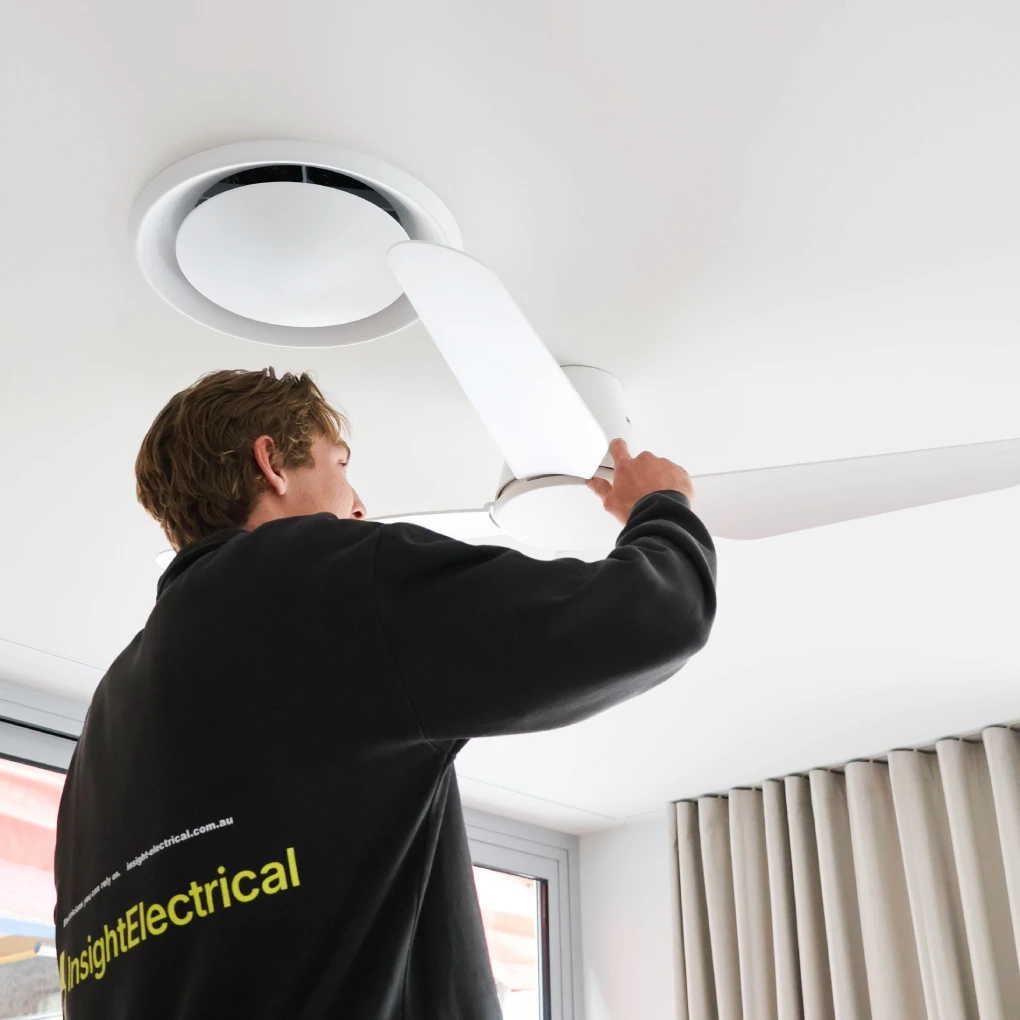
If you’d like a fan to take the load off the air conditioner, see our ceiling fan installation in Newcastle.
2. The Sneaky Standby Mode Trap
Have you ever noticed a small red light on your TV even when it’s off? That’s standby mode, and it keeps drawing a little power around the clock.
Many devices still use electricity when they appear to be off. These are known as phantom loads. Think of your wifi router, TV, gaming console and microwave. If they show a light or a clock when they’re off, they’re still using power. On their own they use little, but together they quietly add to your power bill.
How to Fix It:
✓ Use power boards with switches so you can cut power to a group of devices at once.
✓ Unplug chargers when your devices are fully charged.
✓ Turn on energy saving modes on your electronics wherever you can.
3. Your Home’s Insulation, or Lack of It
Newcastle’s coastal climate brings hot, humid summers and chilly winters, so insulation makes a real difference to what you spend on heating and cooling.
Poor insulation lets heat escape in winter and creep in during summer, so your air conditioning and heating have to work harder.
How to Fix It:
✓ Check for gaps around windows and doors. Draughts let a lot of heat out.
✓ Use good blinds, curtains or window film to help control indoor temperatures.
✓ If your ceiling lacks insulation, adding it can make a real difference. Have a licensed electrician check the downlights and cabling in the roof space first, because insulation must be kept clear of some light fittings.
4. Hot Water Systems: The Silent Bill Booster
A long, hot shower is a great way to unwind, but if your hot water system is old, inefficient or heating all day, it could be a big part of why your bill is so high. Older electric storage systems on a continuous tariff can be one of the larger loads in a home.
How to Fix It:
✓ Take shorter showers or fit a water efficient showerhead to cut how much hot water you use.
✓ Keep stored hot water at 60°C or above. Guidance from the Australian Building Codes Board explains that Legionella growth is reduced significantly in water stored at 60°C and above, so don’t turn a storage system down to save power. Heating it well above 60°C can waste energy, so have a licensed plumber or electrician check the setting.
✓ Ask your retailer whether an off-peak or controlled load tariff is available for your hot water. NSW Government advice notes that controlled load tariffs are common for electric hot water systems and pool pumps.

5. Your Electricity Plan Might Be to Blame
Even if your usage hasn’t changed, your electric bill can still go up. Electricity prices change, and your retailer may have adjusted its rates, the daily supply charge or your tariff. Some households pay more than they need to because they haven’t compared plans for a while.
It’s also worth checking the dates and the meter reading. The NSW Government explains that most households get their electricity bills quarterly or monthly, and that all retail customers must get a bill at least once every 100 days. A longer billing period means more days of usage on one bill. Your meter reading may also be an estimate, which must be clearly marked on the bill, often with an E. If an estimate looks wrong, you can give your retailer your own reading and they’ll adjust the bill. The NSW Government guide to energy bills and costs explained walks through each part of the bill.
How to Fix It:
✓ Read your latest bill for changes to the usage rate, the supply charge and the number of days.
✓ Compare plans, including energy prices, supply charges and any fees, on the free government Energy Made Easy website.
✓ If you use more power at certain times of day, ask your retailer about time of use plans, and check whether any rebates or concessions you’re eligible for have been applied.
6. Outdated Wiring or Faulty Electrical Systems
Faulty or outdated wiring is mainly a safety problem. It isn’t usually the main reason a bill is high, but some faults do waste power, such as a hot water element that never switches off or an appliance that’s failing.
Warning signs include lights that flicker, which our guide on why lights flicker explains, circuit breakers that trip often, or heat or a burning smell from the switchboard. If you have a safety switch that keeps tripping, that needs a licensed electrician too. Don’t try to fix wiring yourself. NSW Government advice is that DIY electrical work is dangerous and illegal, and that unless you’re a qualified electrician you should never “carry out any electrical maintenance other than changing a light globe.” You can read that on the NSW Government page about electrical safety in the home.
How to Fix It:
✓ Book an electrical inspection, especially in an older home. See how often to get an electrical inspection.
✓ Have a licensed electrician check the switchboard. In older Newcastle homes, some switchboards can be close to their limit with today’s appliances. We only replace switchboards if they pose a significant safety risk due to age or wear. Read about a switchboard upgrade in Newcastle and the benefits of a switchboard upgrade.
✓ Use your retailer’s app or a smart meter’s data, if you have one, to track your energy usage across the day.
7. Unnoticed Outdoor Energy Drains
Pool pumps, garden lighting and outdoor equipment can all push your bill higher than expected. A pool pump running longer than it needs to, or old outdoor lights left on all night, can quietly add up.

How to Fix It:
✓ Put outdoor lighting on timers or sensors so it only runs when needed.
✓ Shorten your pool pump’s run time, or choose a more efficient pump when it’s due for replacement.
✓ Use solar powered garden lights for paths and garden beds.
8. Smart Home Devices That Aren’t So Smart
Many modern homes have smart devices: thermostats, cameras, voice assistants and more. Some of them run 24/7, syncing to the cloud and staying connected, and that all adds to your electricity usage.
How to Fix It:
✓ Adjust smart thermostat settings. A few degrees can make a noticeable difference.
✓ Turn off smart devices you don’t use, or put them in low power mode.
✓ Use monitoring apps to see how much power each device uses.
For more everyday ideas, read our practical tips to save on your electricity bill. If you’re thinking about bigger changes to your home’s wiring, lighting or switchboard, see efficient electrical systems in Newcastle.
Frequently Asked Questions
Why is my electricity bill so high when nothing has changed?
A rate or supply charge increase, a longer billing period or an estimated meter reading can all raise the bill even when your habits haven’t changed. The NSW Government bills guide explains each charge, and you can compare plans on Energy Made Easy.
What uses the most electricity in a home?
Heating and cooling, hot water, fridges and freezers, and pool pumps are usually among the biggest users. Our guide to why your energy consumption is so high goes through the main appliances in more detail.
Why is my electricity bill still high with solar panels?
Solar panels only produce power while the sun is up, so evening use still comes from the grid. When you install solar, your retailer may change your plan, so NSW Government advice is to compare plans and feed-in tariffs. Off-peak plans and renewable energy options are worth asking your retailer about.
Can faulty wiring make my electricity bill higher?
Sometimes. A fault such as a hot water element that never switches off can waste power, but faulty wiring is mainly a safety risk. If you notice flickering lights, frequent trips, heat or a burning smell, call a licensed electrician.
9. Need Help Lowering Your Electricity Bill?
If your bill feels too high and you’re not sure why, our team of licensed electricians in Newcastle, NSW can help. We work across Newcastle, Lake Macquarie and the Hunter from our base in Redhead, with over 40 years of combined experience. We can inspect your wiring, check a failing hot water system or appliance, and advise on switchboard or installation work. When the work is done, you receive a Certificate of Compliance for Electrical Work (CCEW).
Book a residential electrician in Newcastle or see our electrical service and maintenance in Newcastle. Call us for a free quote. We provide emergency call-out services during operating hours and will always do our best to assist.
Call Insight Electrical on 0468 043 743, Monday to Friday, 7am to 5pm, or contact Insight Electrical online.