



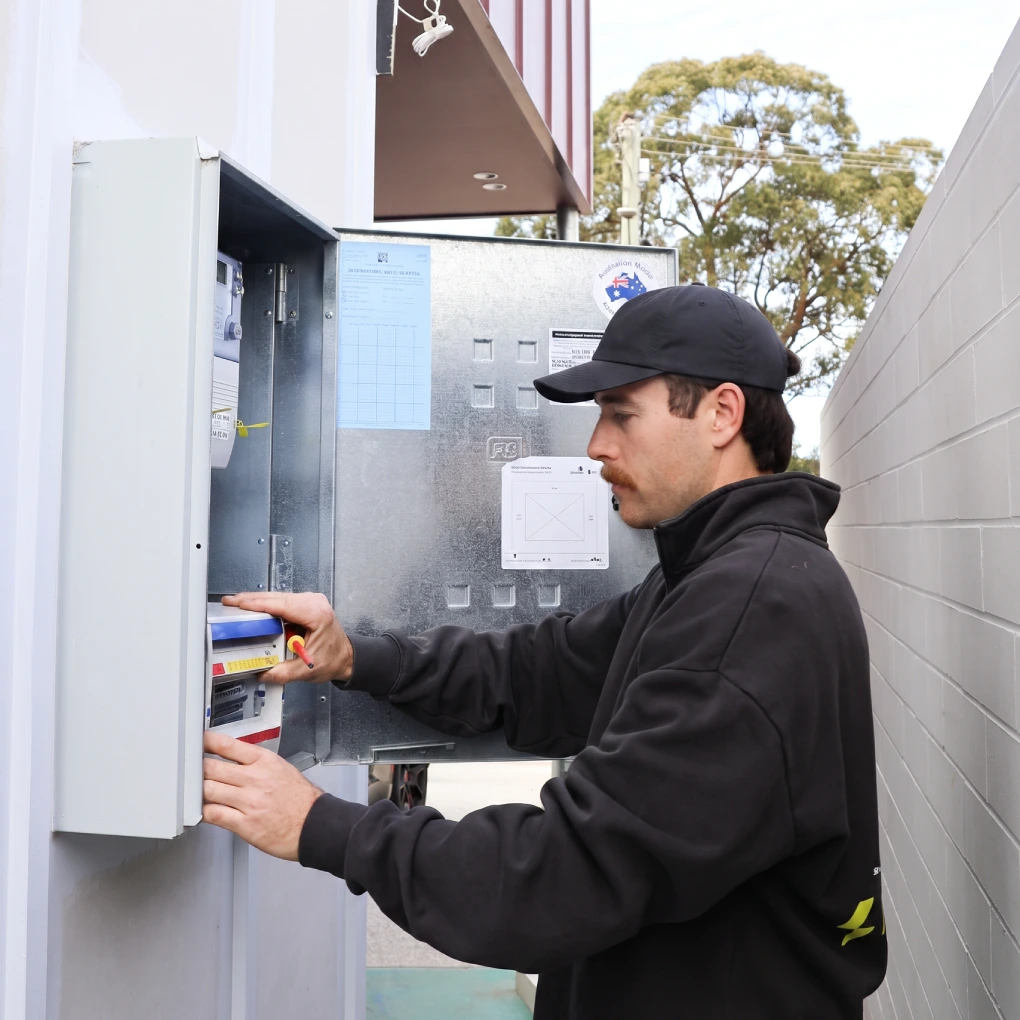
Home electrical safety tips for a Newcastle, Lake Macquarie or Hunter home start with knowing who to call, staying within the NSW DIY rule, testing safety switches, and taking fault signs seriously. Electrical safety in the home also depends on everyday habits around power points, leads and appliances, and on leaving work on the electrical installation to a licensed electrician.
Who to call: Triple Zero 000, Ausgrid, or a licensed electrician
If there is smoke, flame, or danger to life from a fire, get everyone out first. From a safe location, call Triple Zero 000.
For fallen or arcing powerlines, dangerous leaning or fallen poles, exposed underground cables, damaged kiosks or pillars, a shock from a tap or metal object, or a network outage or hazard, report it to Ausgrid on 13 13 88. That line is available 24 hours. Stay at least 8 metres, or 2 car lengths, away from fallen powerlines. Never attempt to touch, move, or clear debris around them. See Ausgrid advice on fallen powerlines.
A property-side fault is for a licensed electrician, not automatically for Ausgrid. That includes a buzzing or burning switchboard, a hot power point, lights flickering inside the home, or a breaker or safety switch that will not reset. The Ausgrid 24-hour line is not a substitute for a licensed electrician on a fault inside the property. Insight Electrical provides emergency call-out services during operating hours and will always do our best to assist.
The NSW DIY rule
DIY electrical work is dangerous and illegal. Unless you are a qualified electrician you should never carry out any electrical maintenance other than changing a light globe. Never attempt to wire any part of the property; install, replace or move power points; install, replace or move lights and switches; or install or replace ceiling fans. Changing a light globe is the only electrical maintenance a homeowner may do themselves. See electrical safety in the home.
If a light still misbehaves after a globe change, call a licensed electrician. See why lights flicker.
Test your safety switches
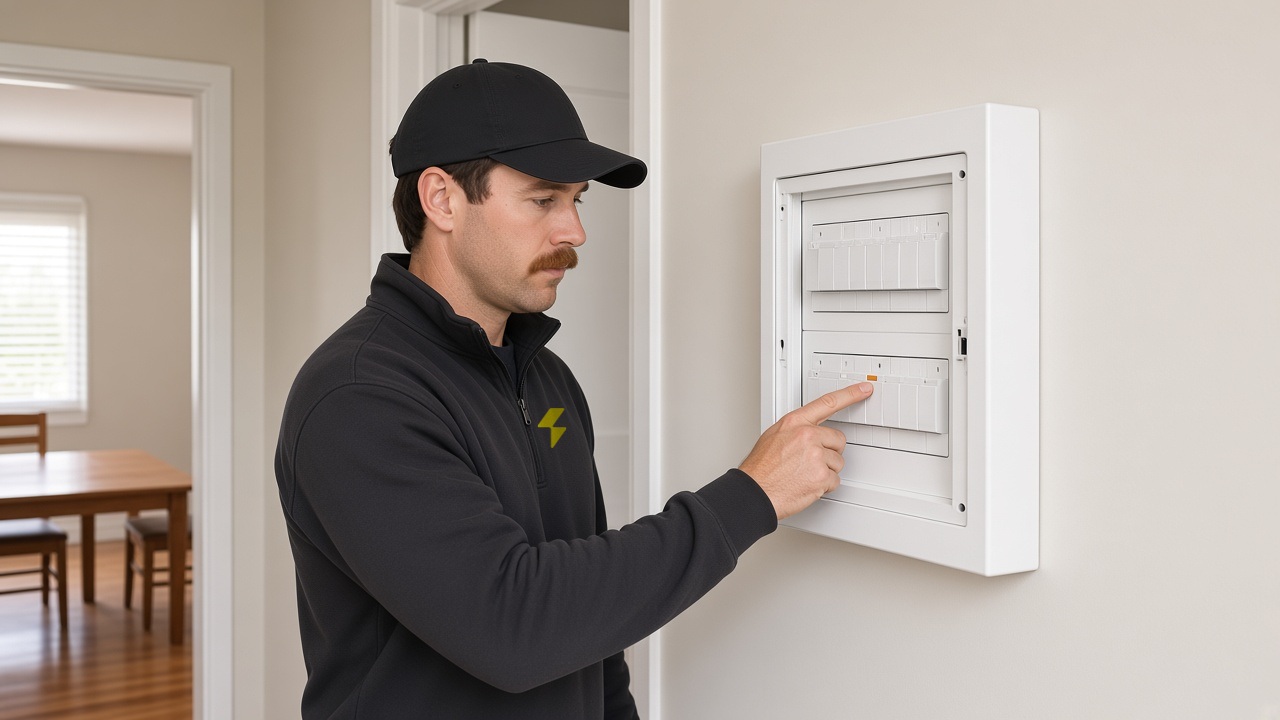
Test safety switches every three to six months, in line with NSW guidance. A safety switch has a test button. A working switch should trip when the button is pressed. If the switch does not trip, or will not reset, call a licensed electrician. See the difference between a safety switch and a circuit breaker, whether a safety switch should be on or off, and what to do when a safety switch has tripped and will not turn back on.
For older homes, ask a licensed electrician to check for safety switches. Do not open the switchboard to look for a date or a label. We only replace switchboards if they pose a significant safety risk due to age or wear. See a switchboard upgrade in Newcastle.
Power points, appliances and extension leads
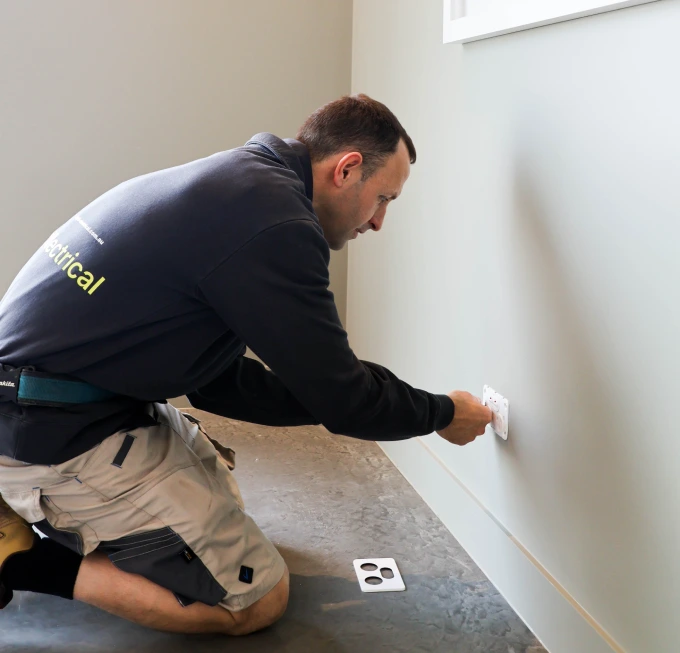
Everyday electrical safety tips around the house start with how electrical appliances, power points and leads are used. Do not overload power points, and do not stack plugs. Fully unwind an extension lead before use, because a coiled lead may overheat. Switch off before pulling out a plug, and grasp the plug, not the cord. Inspect electrical cords and leads for damage, and have damaged cords or older-style plugs replaced by a licensed electrician.
Keep power points and appliances away from water, and never touch switches or plugs with wet hands. Treat a tingle or slight shock from an appliance as a warning, and stop using it until it is repaired. Unplug or switch off portable heaters and similar appliances when they are not in use. Teach children that power points and appliances are not toys. Plastic covers for power points reduce the chance of children inserting objects.
Those habits are also a form of fire prevention. If a power point is hot, discoloured, loose or damaged, stop using it if it is safe to do so and call a licensed electrician. See signs you need to replace a power point and why a power point gets hot.
Fault signs to take seriously
If there is smoke, flame or sparks, get everyone out first, then call Triple Zero 000 from a safe location.
If lights flicker, a switchboard buzzes, a safety switch or breaker keeps tripping, there is a burning smell, or a power point is hot or discoloured, stop using the circuit or point if it is safe to do so and call a licensed electrician.
See why a switchboard is buzzing, a burning smell from the switchboard, what an electrical fire smells like, why a circuit breaker is tripping, a safety switch that trips after rain, and a safety switch that keeps tripping with nothing plugged in. If only part of the home has lost power, see why half the house has no power; a street-wide outage is a matter for Ausgrid.
If someone receives an electric shock
If someone receives an electric shock, call Triple Zero 000. Do not touch the person while they are still in contact with power. If it is safe, switch the power off at the main switch. See electric shock first aid. A shock from a tap or metal object inside or outside the home is also a matter for Ausgrid on 13 13 88.
Regular check-ups for your Newcastle home
A licensed electrician can also carry out a routine check of the installation, rather than waiting for a fault to appear. See how often to get a home electrical system inspected and why Newcastle homes need regular electrical inspections. Renters should tell their landlord or agent about electrical faults.
When the work is done, you receive a Certificate of Compliance for Electrical Work (CCEW).
Frequently Asked Questions
What are the most important home electrical safety tips in NSW?
Stay within the light-globe DIY rule, test safety switches every three to six months in line with NSW guidance, do not overload power points or use damaged leads, and take fault signs seriously. For danger to life or fire, get out and call 000. For fallen powerlines or a network fault, call Ausgrid on 13 13 88.
What electrical work can I do myself in NSW?
Only changing a light globe, unless you are a qualified electrician. DIY electrical work is dangerous and illegal. Unless you are a qualified electrician you should never carry out any electrical maintenance other than changing a light globe. See electrical safety in the home.
How often should I test a safety switch?
Every three to six months, in line with NSW guidance. If it does not trip, or will not reset, call a licensed electrician. See whether a safety switch should be on or off and what to do when a safety switch has tripped and will not turn back on.
When should I call 000, and when should I call Ausgrid?
Call Triple Zero 000 for danger to life or fire, from a safe location after getting out. Call Ausgrid on 13 13 88, which is available 24 hours, for fallen or arcing powerlines, damaged network equipment, a shock from a tap or metal object, or a network outage. A property-side switchboard or power-point fault is for a licensed electrician.
What should I do if someone has had an electric shock?
Call Triple Zero 000. Do not touch the person while they are still in contact with power. If it is safe, switch the power off at the main switch. See electric shock first aid.
Call Insight Electrical about electrical safety in your Newcastle home
Insight Electrical is a Newcastle electrician with over 40 years of combined experience, a family-owned and operated business working across Newcastle, Lake Macquarie and the Hunter from our base in Redhead. Book a residential electrician in Newcastle, electrical maintenance in Newcastle, or a switchboard upgrade in Newcastle.
Call us for a free quote. We provide emergency call-out services during operating hours and will always do our best to assist.
Call Insight Electrical on 0468 043 743, Monday to Friday, 7am to 5pm, or contact Insight Electrical online.