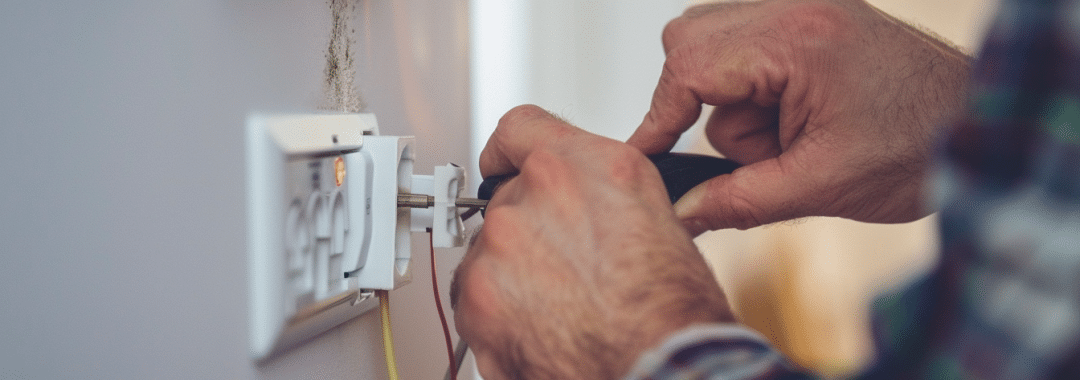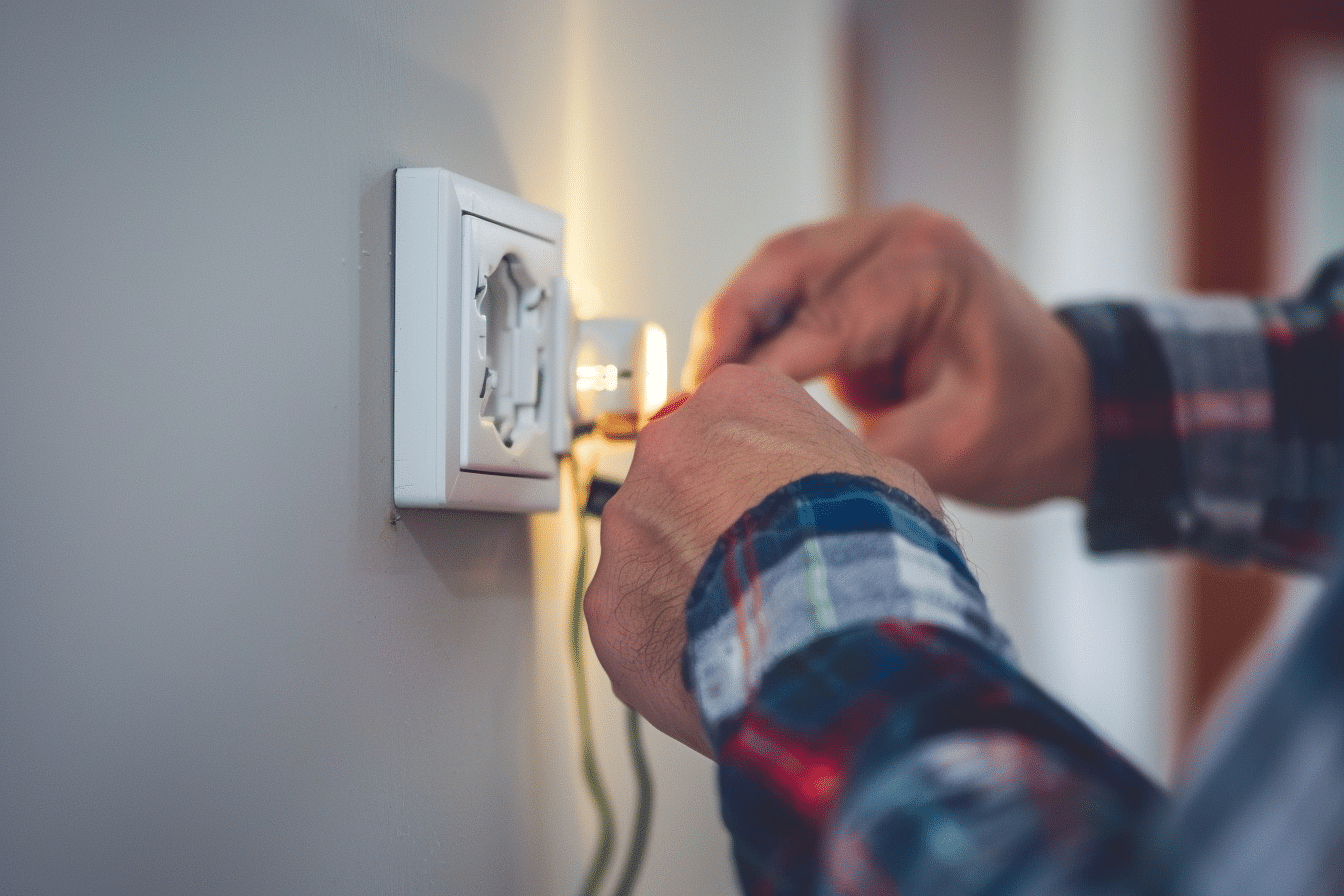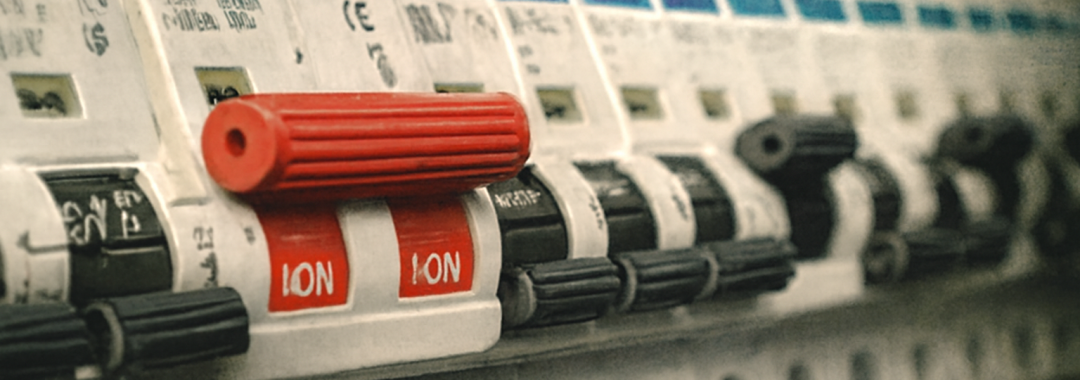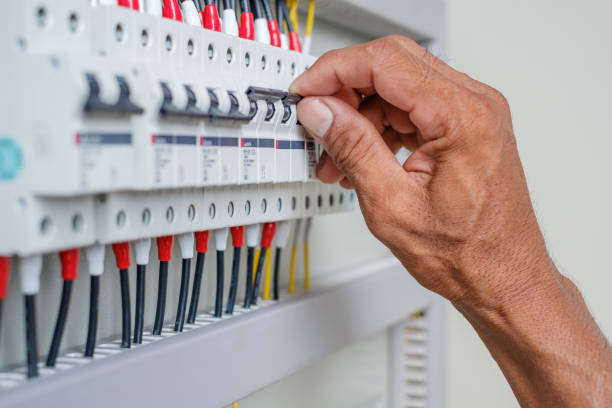
Why Newcastle Homes Need Regular Electrical Inspections

Why Do Newcastle Homes Need Regular Electrical Inspections?

Some things around the home age quietly, and your wiring system shouldn’t be one of them! Dodgy lights, overloaded circuits, or mystery switch quirks might seem harmless, but they whisper signs of bigger risks that often go unnoticed until it’s too late.

Let’s be honest – how old is the wiring in your home, really? With Newcastle’s mixed batch of heritage homes and modern builds, even the best setups need a regular check to stay safe and efficient.

At Insight Electrical, our team of experts helps Newcastle homeowners keep their families protected and their systems running smoothly with straightforward, reliable electrical inspections that make sense – no stress, just safety.

Importance of Regular Electrical Inspections in Newcastle

Electrical systems don’t last forever, and in Newcastle’s mix of old and new homes, problems often hide in plain sight.

Whether it’s a dodgy switch or a panel quietly overloading, regular inspections catch the warning signs early and protect what matters most. Instead of reacting to failures, staying ahead with routine checks saves time, reduces stress, and keeps your family secure.

We’ve seen how consistent inspections improve the performance of electrical systems our team services every week across Newcastle.

Key Benefits of Electrical Inspections

Through routine checks, we’re able to keep homes across Newcastle safer from preventable electrical faults. These visits help us detect wear in older installations, especially in properties built before the 90s. 

Performing scheduled inspections not only makes your house safer, but it also boosts energy efficiency over time. It also brings your home in line with electrical codes, upping its value and making it more attractive to insurers and future buyers.

Common Issues Detected During Inspections

It’s surprising how often we find old, frayed wiring tucked away behind walls in homes that seem modern on the outside. 

Overloaded circuits, particularly when heaters and multiple devices are plugged in, are another regular culprit. Missing safety features like RCDs or faulty smoke alarms also appear more than expected. Identifying these early during inspections is what prevents bigger problems down the track.

Why Newcastle Homes Are at Higher Risk

Many of our customers live in older homes with electrical infrastructure dating back decades. Salt air drifting in from the coast speeds up wear on connections and fittings. Add in heavy use of modern appliances like air fryers and consoles, and your home’s electrical system faces constant strain. These factors combined make local inspections even more necessary.

Electrical Hazards of Skipping Inspections

Electrical Hazards of Skipping Inspections

We’ve attended emergency callouts where a simple inspection could have prevented major damage. Skipping checks invites silent risks into your home, ones you only notice when there’s a blown fuse, scorched outlet, or worse.

Safety and Legal Consequences

Many people don’t realise skipping inspections might breach legal safety standards in NSW. Electrical faults remain one of the top causes of house fires, especially in ageing properties. Not complying with regulations can also block insurance claims or result in penalties for landlords. Staying up to code through inspections keeps everyone legally protected and physically safe.

Real-World Hazards from Avoidance

We’ve seen homes with completely blackened switchboards after a DIY wiring attempt went wrong. In another case, an untouched junction box sparked a kitchen blaze. Both situations were preventable with a proper inspection. Trying to handle wiring yourself, even with the best intentions, often makes the situation worse and far more costly to repair.

What a Professional Electrical Inspection Covers

When we check your home, it’s not just flipping switches and walking out. Our licensed team goes deeper to make sure every part works safely and efficiently.

Components Checked by Electricians

We look inside your switchboard to see if circuits are overloaded or outdated. Each power point and wiring junction is checked for faults or loose connections that might spark trouble. Smoke alarms and safety mechanisms like GFCIs are also tested to ensure fast responses during emergencies.

Tools and Procedures Used

We don’t just guess. Our team uses thermal imaging to spot hot spots behind panels. Load testers help us measure electrical demand without overburdening your system. We make sure everything from fuses to outlets handles real-life use without tipping into danger zones.

Importance of Compliance Reports

Our inspection reports confirm if your home meets current Newcastle safety codes. These are valuable for anyone selling, renting, or needing insurance approvals. Landlords often rely on our reports to meet their legal obligations and avoid tenant complaints or penalties.

Recommended Inspection Frequency

How often you should get inspections depends on the home’s age and condition. We tailor our advice for each property we assess, but there are some reliable timelines most homes follow well.

General Guidelines by Property Type

    Older homes – especially those pre-1985, should get checked every 3 years. If you own a more modern home with recently updated wiring, we recommend a check every 5. Rental properties also need regular assessments under council guidelines. That’s something we already handle for several Newcastle landlords.

    Situations Demanding Immediate Inspection

      If your lights flicker, smell burning plastic, or notice a switch that feels hot, don’t wait – call us straight away. Major renovations or new appliance installations also change your electrical load and should be matched with an inspection to avoid strain or breakdowns.

      Preparing for an Electrical Inspection

      Preparing your home for a visit from one of our electricians makes the process smoother and faster. A little forward-thinking goes a long way.

      What Homeowners Should Do Beforehand

        Make sure access to your switchboard and any fuse boxes is clear. Write down any issues you’ve noticed – even things that seem small, like buzzing sounds or dimming bulbs. These can guide us straight to the problem.

        What Not To Attempt on Your Own

          Avoid opening switchboards, replacing breakers, or fiddling with wiring. We’ve seen well-meaning DIY jobs cause more harm than help. Our licensed electricians are trained for this – your safety is worth the call.

          Accessing Local and Emergency Services

          Time matters during an electrical emergency. That’s why we’re always available, whether it’s a weekend spark or a weekday assessment.

          Service Areas and Availability

          We cover all of Newcastle, Lake Macquarie, Maitland, and the Hunter Region. Whether your home’s in Hamilton, Bar Beach, or Warners Bay, we’re there with 24/7 response. Our local team understands common problems in the suburb and acts fast.

          Choosing Trusted Newcastle Electricians

          With over 40 years of combined electrical experience and deep local insight, every job is met with care and accuracy. Our reputation is built on fair quotes, reliable work, and personal service. We’ll be upfront about what’s needed and when.

          Don’t Wait Until the Lights Flicker

          Things may seem fine until a strange hum or flicker reminds you that something’s not quite right behind the walls. Most people don’t think twice about what’s buzzing in the background – until it becomes a bright red warning sign.

          Staying ahead of electrical issues means fewer surprises, lower repair bills, and peace of mind every time you flip a switch. A regular check keeps your space safe, your appliances happy, and your family protected from avoidable mishaps.

          Electrical installation process explained by licensed electrician

          At Insight Electrical & Data, we help Newcastle homes stay powered safely with inspections that spot trouble before it sparks. Book your check today – we’ll make sure everything’s wired for peace of mind.
          Electrical Outlet Gets Hot​

          Does Your Electrical Outlet Get Hot?

          That uneasy feeling when your wall outlet feels warmer than your morning cuppa isn’t something to ignore! What starts as a minor warmth can escalate – fast – into damaged wiring, blown circuits, or even a fire risk.

          Sometimes it’s overloaded appliances; other times, it’s worn-out wiring quietly hiding behind your walls. It’s frustrating when something so ordinary suddenly feels unsafe, especially in a space meant to protect and comfort.

          If you’re in Newcastle or the Hunter Valley and value electrical safety, Insight Electrical & Data is here to help. We diagnose issues, upgrade systems, and keep your powerpoints safe without the stress or second guesses.

          Common Causes of a Hot Electrical Outlet

          Loose or Worn Wiring

          If plugging something into the wall makes you pause, it might be the wiring beneath the surface. Over time, connections loosen or wear down, creating resistance that builds heat and compromises safety. 

          When wires age, they lose their flexibility and strength, putting everything downstream at risk. Our team at Insight Electrical & Data sees this plenty, in homes across Newcastle, especially older builds in areas like Mayfield and New Lambton.

          Overloaded Outlet or Circuit

          If you’re running your heater, phone charger, and kettle off one outlet, that’s a recipe for overheating. Overstressing a single power point makes it fight to keep up – turning everyday devices into hazards. 

          Spread out appliances properly across different outlets or circuits to protect your wiring system. In places like Kotara and Charlestown, where renovations often add load to older wiring, we often upgrade circuits to better handle modern demands.

          Faulty or Damaged Appliances

          If an appliance smells odd or feels hotter than it should, it’s time to inspect it! 

          Defective plugs, frayed cords, and older space heaters may quietly overheat even when used correctly. We’ve repaired plenty of outlets in homes caused not by the wiring, but by what was plugged in. An appliance that malfunctions draws excess power and turns a safe setup dangerous, fast.

          Outdated Electrical Systems

          Aluminium wiring or undersized conductors don’t belong in homes running modern appliances anymore. Yet, many properties – especially those built before the 1980s – still use these outdated systems.

          These setups weren’t made for today’s loads like air fryers or gaming computers. We frequently upgrade wiring, providing newer copper installs that help take the heat off your electrical setup – literally.

          What are the Signs and Symptoms to Watch For?

          Outlet or Plug Feels Warm to the Touch

          That subtle warmth you brush off as nothing might actually be danger in disguise. Warm outlets point to resistance or too much power at the socket, which causes internal wear. At Insight Electrical & Data, we often find this early sign during inspections in homes across Hamilton and Wallsend. Catch it early, and you may avoid repair costs down the track.

          Discolouration or Scorch Marks

          A brown or black ring around the outlet is a big red flag. It shows signs of previous overheating or even small electrical arcs. These marks often appear before a total failure and sometimes after smells or minor smoke. If you notice this, give us a call for immediate inspection!

          Burning Smell or Crackling Noises

          That hint of melting plastic or a faint crackle is a clear warning that something’s wrong. These could signal burning insulation or poor contact points inside the socket. If you hear it more than once, it’s urgent. We’ve diagnosed this issue in homes where a delay could’ve meant something much worse.

          Outlet Feels Hot with Nothing Plugged In

          Even an empty outlet can heat up if a circuit elsewhere is pulling too much power. That heat may be getting backfed from another room, or there’s a wiring fault behind the wall. Many homeowners overlook this, but it’s one of the clearest signs a full electrical system assessment is needed.

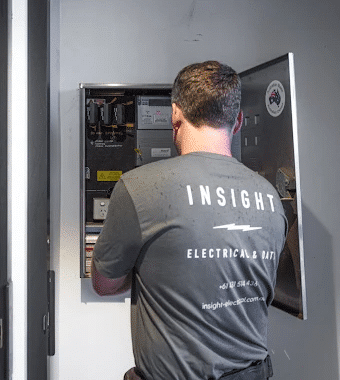
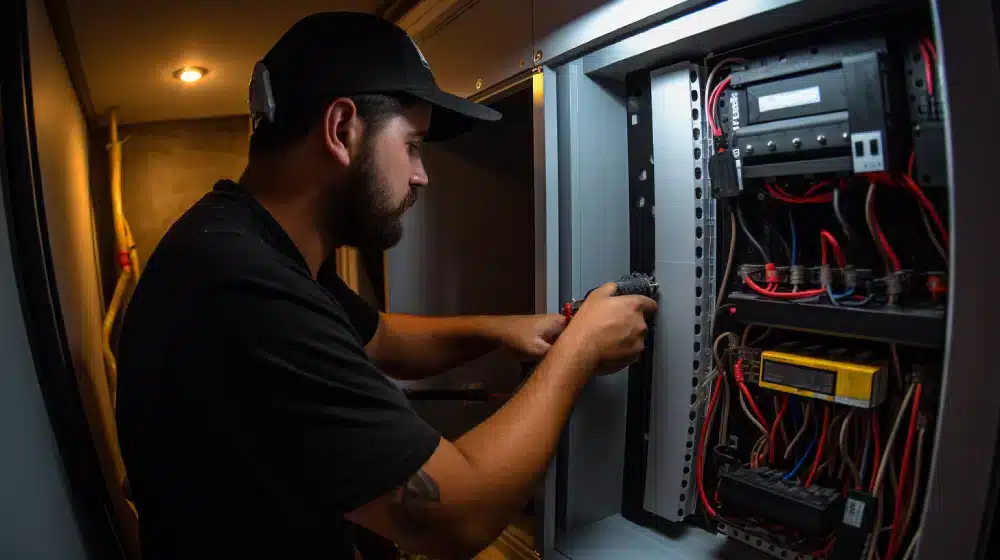
          Electrician Working On Electrical Panel

          Potential Safety Hazards of Hot Outlets

          Increased Fire Risk from Overheating

          Unchecked heat near cords or prongs can ignite materials behind the wall or even drapery nearby. This is one of the leading contributors to residential fires. We’ve replaced fire-damaged outlets where the signs went ignored just a bit too long. Safe outlets don’t feel hot – ever.

          Damage to Electrical Devices and Appliances

          Excessive heat warps plugs and damages electronics over time. Devices draw wary current when outlets overheat, which cuts short their lives. At Insight Electrical, our technicians see it all the time during site assessments – burnt prongs, melted plug sleeves, and stressed internal components in everything from TVs to toasters.

          Shock and Burn Danger to Users

          A simple touch shouldn’t ever hurt. Yet overheated outlets can give a mild shock or even cause skin burns. Families often call us when a child brushes an outlet that suddenly stings or feels too hot. If it’s not safe to touch, it’s not safe to operate.

          Structural Hazards from Electrical Fires

          Once a fire starts behind walls or sockets, damage spreads fast – often before anyone notices. It can eat insulation, destroy structural beams, and require costly rebuilds. In homes, especially multi-storey builds, it’s not just about the outlet – it’s about stopping the chain reaction before it gets serious.

          What Should I Do Immediately?

          Unplug All Devices from the Outlet

          As soon as an outlet feels warm or smells off, unplug everything right away. Do it gently, using the cord base, and avoid force that could yank any wires loose. Pulling the device out stops the immediate heat and gives the socket a break.

          Check For Damage at the Plug and Socket

          After removing devices, take a quick look. Is the plastic melted? Do the prongs look burnt? These are sure signs to stop using the outlet. Discolouration or warping means it needs a replacement, not retrying.

          Stop Using Nearby Outlets

          In many cases, nearby power points share the same circuit. That means heat and overload pressure might be spreading. Spread devices across rooms or separate circuits until an electrician gives the all-clear.

          Contact a Licensed Electrician

          This is a job for trained hands. Trying to dismantle or fix an outlet without the right tools can end badly. At Insight Electrical & Data, we offer safe, tested fixes with qualified experts available throughout the Newcastle and Hunter Valley areas.

          Long-Term Solutions and Prevention

          Avoid Overloading Power Strips and Extensions

          One power bar in the lounge shouldn’t carry the kitchen’s energy load too. If too many plugs are in, everything warms up. Limit yourself to one high-energy device per outlet like heaters or dryers. Spread everything across multiple sockets.

          Use Appliances with Correct Wattage Ratings

          Not all outlets are built for every appliance. That heater from the store may draw more power than your wiring supports. Check wattage labels and circuit capacity before plugging in. We often help families map this out during energy audits.

          Upgrade Worn or Outdated Electrical Systems

          Aluminium wiring and ancient outlets can’t support today’s usage levels. If your house still has them, copper updates are safer, stronger, and much more reliable. We’ve completed dozens of these upgrades in homes from Broadmeadow to Kahibah.

          Schedule Safety Audits for Older Homes

          A complete system check every few years keeps danger at bay. Our team inspects, tests, and fixes small issues long before they’re visible. Don’t wait – especially if you’re in an older property or have never done an upgrade check.

          Feels Fine One Minute, Then Suddenly Too Warm?

          It starts subtly – you brush past it and feel a weird warmth. At first, you second-guess it.

          But when it happens again, you know that’s not normal. Ignoring it could put your home at risk.

          If anything electrical is heating up without reason, it’s time to stop wondering and start acting. Small issues can quietly grow into serious danger. The right help makes all the difference in keeping your space safe.

          Our team of emergency electricians in Newcastle

          At Insight Electrical & Data, our emergency electricians inspect, repair, and upgrade outlets before hazards can escalate. Let’s keep your home safe – contact us for fast, dependable service today.


          Whole Home Surge Protection Systems

          Whole Home Surge Protection Systems: Your Complete Guide for Newcastle Properties

          Power surges occur far more often than most Newcastle homeowners realise. While many people link them to lightning storms, the truth is that most surges start inside the home. Each time your air conditioner powers on, your refrigerator cycles, or a major appliance starts up, it sends small voltage spikes through your system. Over time, these spikes wear down your electronics and weaken your overall electrical setup.

          A whole home surge protection system is installed at your main electrical panel and serves as your property’s first level of protection. Unlike single power boards that only shield the devices plugged into them, a whole home system safeguards your complete electrical setup. This includes hardwired appliances, lighting circuits, air conditioning units, and security systems.


          How Power Surges Damage Your Property

          Power surges are sudden, temporary increases in voltage that flow through your electrical system. In Newcastle, common causes include:

          ✓ Internal appliances: Large motors in fridges, air conditioners, and pool pumps cycling on and off

          ✓ External factors: Lightning strikes, power grid switching, and transformer issues

          ✓ Weather events: The Hunter region’s storms can create voltage fluctuations through nearby lightning activity

          ✓ Faulty wiring: Ageing electrical systems in older Newcastle homes

          Even small surges of 10-20 volts above normal can slowly degrade your electronics. Over time, this “electronic rust” shortens the lifespan of computers, smart TVs, kitchen appliances, and even your HVAC system. A single major surge can instantly destroy thousands of dollars’ worth of equipment.


          Whole Home vs Power Board Protection: What’s the Difference?

          Many Newcastle residents rely solely on power board surge protectors, but these only offer limited protection. Here’s why a whole home system is superior:

          Power Board Protectors:

          1. Protect only devices plugged into them
          2. Limited surge capacity (typically 200-400 joules)
          3. Can’t protect hardwired appliances
          4. Wear out over time without warning
          5. Provide no protection at the source

          Whole Home Systems:

          1. Protect your entire electrical system
          2. Higher surge capacity (up to 50,000+ amps)
          3. Shield hardwired appliances, lighting, and circuits
          4. Professional installation at the main switchboard
          5. Stop surges before they enter your home

          Think of it this way: a power board is like locking your bedroom door, while a whole home system locks your front gate. Both have value, but comprehensive protection starts at the source.


          Insight Electrical Newcastle electrician team in branded uniforms ready for installations

          What Does Installation Involve?

          Installing a whole-home surge protection system is a simple task for licensed electricians. At Insight Electrical & Data, we complete installations across Newcastle and the Hunter Valley, often finishing the work in less than two hours.

          The surge protector is fitted at your main switchboard, where your property connects to the electrical grid. This placement allows the device to block voltage spikes before they move through your home’s wiring. Our electricians make sure the installation follows all Australian safety requirements and is correctly earthed for reliable performance.


          Investment and Value

          If your home has an older switchboard, it may not be equipped with safety switches (Professional whole home surge protection installation in Newcastle typically ranges from $300 to $800, depending on your electrical panel configuration and the specific unit required. At the same time, this might seem like an upfront cost, consider the alternative: replacing a damaged air conditioning system ($5,000+), smart TV ($2,000+), computer equipment ($1,500+), or kitchen appliances ($3,000+).

          Insurance policies may cover surge damage, but dealing with claims, excess payments, and potential premium increases creates hassle and expense. Prevention is far more cost-effective than replacement.


          Signs Your Newcastle Home Needs Surge Protection

          Consider whole home surge protection if your property has:

          1. Valuable electronics and appliances worth protecting
          2. A home office with computers and networking equipment
          3. Smart home technology and security systems
          4. Medical equipment or essential electronics
          5. An older electrical system (pre-2000 homes)
          6. Frequent circuit breaker trips or flickering lights
          7. Location in storm-prone areas of Newcastle or the Hunter Valley

          Remember, surge protection isn’t mandatory in Australia, but it’s one of the smartest investments you can make for your property.


          Why Choose Local Newcastle Electricians

          Working with skilled local electricians ensures your surge protection system is installed correctly and follows Australian standards. At Insight Electrical & Data, we have supported the Newcastle and Hunter Valley community for more than 40 years, earning trust through consistent workmanship and dependable service.

          Our team understands the electrical challenges common in Newcastle properties, including coastal conditions and the varied infrastructure across suburbs. We offer fair pricing, free quotes, and appointment times that fit your routine, reducing any disruption to your home or business.

          Protect Your Newcastle Property Today

          Do not wait for a costly power surge to harm your electronics and appliances. A whole-home surge protection system offers strong protection for a modest investment.If you want to protect your Newcastle property, get in touch with the skilled team at Insight Electrical & Data for a free, no-obligation quote. We will review your electrical setup and recommend the most suitable surge protection option for your home or business.

          Commercial electrical system upgrade for business premises

          Home Automation Electrical Requirements: What Newcastle Homeowners Need to Know

          Smart homes are transforming how Newcastle homeowners control lighting, security, climate, and entertainment systems. However, before investing in smart devices, understanding the electrical infrastructure needed to support home automation is crucial.

          Installing smart home technology requires more than plugging in devices. It demands proper electrical wiring, adequate power distribution, and reliable data cabling. Getting these fundamentals right ensures your automation systems run smoothly and safely for years to come.


          Understanding Power Requirements for Smart Devices

          Modern smart home devices have specific power needs that differ from traditional electrical appliances. Most smart devices require constant power to maintain connectivity and respond to commands, even when appearing “off.”

          Smart thermostats typically need a common wire (C-wire) to provide continuous 24-volt power. Without this dedicated neutral connection, your thermostat may experience performance issues. Similarly, smart switches and dimmers require neutral wires at switch locations, something older Newcastle homes may lack.

          Standard power outlets must be properly earthed with three-pin connections, particularly for devices operating at 240V AC. This earthing provides essential protection against electrical faults and ensures consistent operation. Planning your smart home layout with these power requirements prevents costly retrofitting later.


          Switchboard Considerations and Upgrades

          Your switchboard distributes electricity throughout your property. When adding home automation systems, your existing switchboard may need evaluation or upgrading to handle the increased load.

          Modern smart homes typically require additional circuits to support various automation systems without overloading existing ones. Dedicated circuits for smart lighting, security systems, and entertainment hubs ensure reliable performance and reduce tripped breakers.

          Safety switches are compulsory in NSW residential properties, and your switchboard should include adequate protection for all circuits. If your home is more than 20 years old, a switchboard inspection is highly recommended before installing extensive automation equipment. Upgrading to a modern switchboard with extra capacity also future-proofs your home for additional devices.


          Data and Network Cabling Infrastructure

          While wireless connectivity is convenient, reliable home automation depends on a solid wired network backbone. Cat6 or Cat6a Ethernet cables provide high-speed data transmission needed for seamless communication between smart devices and your central hub.

          Structured data cabling creates pathways for internet connectivity, entertainment systems, and communication between automation devices. This infrastructure should be planned during construction or renovation to avoid difficult retrofitting through finished walls.

          For Newcastle homeowners building new properties or undertaking major renovations, pre-wiring for home automation makes future installations significantly easier and more cost-effective. Running extra conduits during construction provides flexibility for adding devices without damaging walls later.

          Quality data cabling ensures your smart security cameras, entertainment systems, and automated controls maintain stable connections. Poor cabling results in dropped signals, slow response times, and frustrating failures.


          Electrical Panel

          Circuit Planning and Proper Separation

          Effective home automation requires careful circuit planning that separates high-voltage power lines from low-voltage control and data cables. This separation prevents electromagnetic interference that can disrupt device communication and performance.

          High-voltage wiring supplies power to outlets and major appliances, while low-voltage wiring carries control signals for sensors, switches, and automation commands. Keeping these systems separate ensures both safety and reliability.

          Dedicated circuits for different automation zones also improve troubleshooting and maintenance. If one circuit experiences issues, it won’t affect other areas of your smart home system.


          Australian Safety Standards and Compliance

          All electrical work for home automation must comply with Australian electrical safety standards and NSW building codes. Licensed electricians ensure installations meet these requirements, protecting both your property and family.

          Proper earthing techniques, surge protection, and circuit protection are mandatory elements of safe installations. Surge protectors safeguard expensive smart devices from power spikes during storms, common in the Newcastle region.

          DIY electrical work is restricted in Australia, and only licensed professionals should handle wiring, switchboard modifications, and power installations. Working with qualified electricians who understand home automation ensures your system is both safe and compliant.


          Planning for Future Expansion

          Smart home technology evolves rapidly, so planning for future expansion is essential. Installing spare conduits and leaving extra capacity in your electrical panel allows adding new devices without major electrical work.

          Consider the smart devices you might want in five or ten years, not just today. Extra data cables, additional power points in strategic locations, and oversized conduits provide flexibility for emerging technologies.

          Documenting your electrical and data cabling layout creates a valuable reference for future upgrades. Clear labelling of circuits and keeping updated wiring diagrams makes maintenance and expansion significantly easier.

          Get Your Home Automation Right from the Start

          Installing home automation requires careful planning of your electrical infrastructure. From adequate power distribution and modern switchboards to quality data cabling and proper circuit separation, each element plays a vital role in creating a reliable smart home.

          For Newcastle and Hunter Valley homeowners planning home automation installations, working with experienced local electricians ensures your electrical system can support both current devices and future expansion. With over 40 years of combined experience, Insight Electrical & Data provides comprehensive electrical solutions, including data cabling, LED lighting, and smart home wiring for new builds and renovations.

          Ready to transform your Newcastle home with smart automation?

          Contact Insight Electrical & Data today for a free consultation. Our licensed electricians will assess your electrical infrastructure and design a solution that meets your automation goals while ensuring safety and compliance with all Australian standards.

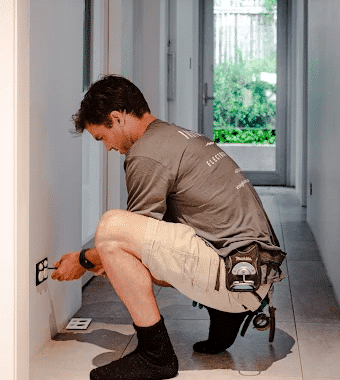
          our electrician is repairing a powerpoint

          Burning Smell From Switchboard

          If you notice a burning smell from the switchboard in your home, it’s not something to ignore – it’s a serious warning sign that could mean your electrical system is overheating or experiencing a fault.

          This smell is often caused by overloaded circuits, loose wiring connections, or a faulty breaker that is generating excessive heat. Left unchecked, it can lead to electrical fires or costly damage.

          Acting quickly by switching off the power to that circuit and calling a licensed electrician is the safest move you can make.
          In this article, we’ll explore why a burning smell occurs, the dangers it poses, and the steps you should take immediately.


          Why You Might Smell Burning From Your Switchboard

          Your switchboard is the heart of your home’s electrical system. If you smell burning, it means something is going wrong inside. Common causes include:

          ✓ Overloaded Circuits – When too many appliances run on the same circuit, it can overheat and cause melting insulation.

          ✓ Loose or Damaged Wiring – Loose connections can spark or arc, creating heat and a distinct burning smell.

          ✓ Faulty Breakers or Fuses – A breaker that doesn’t trip properly can overheat.

          ✓ Old or Outdated Switchboard – Older systems often can’t handle today’s power demands, increasing the risk of overheating.

          Any burning smell from switchboard components is an urgent red flag. The sooner you address it, the less likely it is to turn into an electrical fire.


          Immediate Steps to Take

          If you detect a burning smell from the switchboard, don’t panic – but don’t delay either. Here’s what you should do right away:

          1. Turn Off the Power – Switch off the main power supply to stop the flow of electricity and reduce the risk of fire.
          2. Unplug Appliances – If possible, unplug major appliances to take the load off your circuits.
          3. Do Not Attempt DIY Repairs – Avoid touching wiring or breakers yourself unless you are a qualified electrician.
          4. Call a Licensed Electrician – Contact a professional, like Insight Electrical & Data, to inspect and fix the issue safely.

          Why Prompt Action is Crucial

          Electrical faults that create a burning smell often get worse over time. If ignored, they can lead to:

          ✓ Electrical Fires – Overheated wiring can ignite surrounding materials.

          ✓ Power Outages – Damaged breakers can fail completely, leaving you without power.

          ✓ Expensive Repairs – Small issues become major problems if left untreated.

          ✓ Risk to Safety – Electrical shocks and fire hazards put you and your family at risk.

          Your safety should always come first. A switchboard inspection from a qualified electrician ensures that your system is safe, up to code, and ready to handle your home’s power needs.


          Electrical experts

          Upgrading Your Switchboard

          If your home has an older switchboard, it may not be equipped with safety switches (RCDs) or enough capacity for modern appliances. Upgrading to a new switchboard can:

          ✓ Reduce the risk of overheating.

          ✓ Provide better circuit protection.

          ✓ Improve energy efficiency and reliability.

          ✓ Increase the safety of your home for years to come.

          If you’ve had more than one incident of a burning smell from switchboard wiring or breakers, it’s a strong indication that an upgrade may be necessary.


          Preventing Future Problems

          Here are a few proactive steps you can take to keep your switchboard safe:

          ✓ Schedule Regular Inspections – Have a licensed electrician inspect your switchboard every few years.

          ✓ Avoid Overloading Power Points – Spread out appliance usage across different circuits.

          ✓ Install Safety Switches – Ensure every circuit has RCD protection.

          ✓ Upgrade Wiring – If your home is older, consider rewiring to meet modern standards.

          A proactive approach can save you stress and money while keeping your family safe.
          Don’t wait until a small electrical fault becomes a big problem. Book a switchboard inspection with Insight Electrical & Data and keep your home safe and compliant.


          Take Action Now

          A burning smell from the switchboard is never something to ignore – it’s a clear sign that your electrical system needs urgent attention. Acting quickly can prevent fire hazards, protect your appliances, and keep your family safe. Trust our emergency electrician in Newcastle, NSW, to diagnose and fix the issue professionally so you can enjoy peace of mind.

          Act Now – Protect Your Home From Electrical Hazards!

          If you notice a burning smell from switchboard circuits, call Insight Electrical & Data immediately. Our team of qualified electricians will respond quickly to keep your home safe and prevent costly damage.

          What Does An Electrical Fire Smell Like

          What Does An Electrical Fire Smell Like

          Electrical fires are one of the most dangerous and unpredictable types of fires in any home or workplace. But how can you tell if a fire is electrical before it escalates into a disaster? The most common early warning sign is a distinctive smell.

          So, what does an electrical fire smell like? In simple terms, it often smells like burning plastic, rubber, or even a faint metallic odour. This is caused by the overheating of electrical wires, insulation, or devices, which emit toxic fumes as they burn.

          Recognising this smell early can make the difference between a minor electrical issue and a major fire hazard.
          Understanding the smell of an electrical fire is essential for every Australian homeowner or business owner.

          At the same time, smoke from a typical fire might smell like wood, paper, or fabric; an electrical fire has a unique, acrid scent that is often sharp and chemical-like.

          Detecting this smell promptly allows you to act quickly, shutting down circuits, unplugging devices, and calling a professional emergency electrician in Newcastle for help before the situation worsens.


          Common Causes of Electrical Fires

          Electrical fires are often the result of faulty wiring, overloaded circuits, or malfunctioning appliances. Some of the most common causes include:

          ✓ Old or damaged wiring – Homes with ageing electrical systems may have deteriorating insulation, which can spark a fire.

          ✓ Overloaded power outlets – Plugging too many devices into a single outlet generates excessive heat.

          ✓ Faulty appliances – Malfunctioning or poorly made electrical appliances can overheat and ignite nearby materials.

          ✓ DIY electrical work – Incorrect installations or modifications can compromise safety and increase fire risk.

          When any of these scenarios occur, one of the first signs is often the smell of an electrical fire. That sharp, synthetic odour is your body’s warning system telling you that something is wrong.


          Recognising the Signs of an Electrical Fire

          Aside from the smell, there are other indicators of a potential electrical fire:

          ✓ Flickering lights – Sudden flickering or dimming lights can indicate a problem with wiring.

          ✓ Burning sensations from outlets – Outlets that feel hot to the touch can be a serious fire hazard.

          ✓ Buzzing or crackling sounds – Unusual noises from appliances or outlets may indicate faulty wiring.

          ✓ Discoloured or scorched outlets – Signs of heat damage around sockets or switches.

          Being aware of these signs, along with the distinct smell, allows homeowners and businesses to prevent a small electrical fault from turning into a full-blown fire emergency.


          Electrician wiring and installing a new power point socket in residential property

          Health Risks of an Electrical Fire

          Electrical fires release toxic fumes that can be extremely hazardous to your health. Inhalation of smoke from burning plastic or insulation can cause respiratory issues, nausea, and irritation of the eyes and throat. In severe cases, exposure to these fumes can be life-threatening. That’s why it’s crucial not to ignore the smell of an electrical fire and to evacuate the area immediately if you suspect danger.


          How to Prevent Electrical Fires

          Prevention is always better than a cure. Here are some essential steps to minimise the risk of electrical fires:

          1. Regular inspections – Have a licensed electrician check your wiring and appliances periodically.
          2. Avoid overloading circuits – Use power boards responsibly and avoid daisy-chaining multiple devices.
          3. Replace damaged wiring and appliances – Do not ignore frayed cords, scorched outlets, or faulty devices.
          4. Install safety devices – Smoke alarms and RCD (Residual Current Device) switches can detect electrical faults early.

          By following these precautions, you not only reduce the risk of an electrical fire but also improve the overall safety of your home or business.


          What To Do If You Smell an Electrical Fire

          If you notice the smell of burning plastic or rubber, follow these safety steps:

          1. Turn off electricity at the main switch – If safe to do so, cut power to prevent further ignition.
          2. Evacuate the premises – Ensure everyone leaves the building calmly and quickly.
          3. Call emergency services – In Australia, dial 000 for immediate assistance.
          4. Do not attempt to extinguish large electrical fires yourself – Water conducts electricity and can make the situation worse. Use a Class C fire extinguisher if trained to do so.

          Time is critical when dealing with electrical fires, which is why having a professional emergency electrician on call is invaluable.

          Don’t wait until it’s too late, schedule a safety check with Insight Electrical & Data and ensure your electrical system is reliable and up to Australian safety standards.


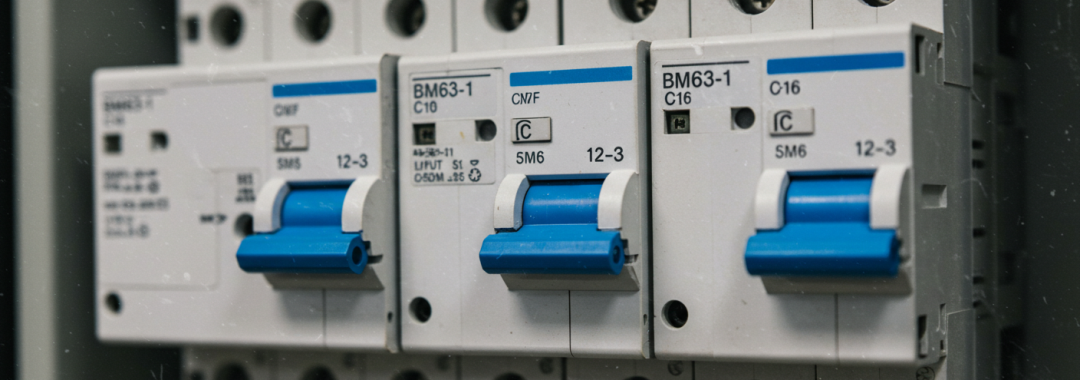
          Safety switch on a home switchboard showing on and off positions

          Should the Safety Switch Be On Or Off​?

          When the lights suddenly go out mid-shower or while using an appliance, chances are your safety switch has tripped. This little device plays a big role in keeping you safe, but many homeowners still wonder: should it be ON or OFF?

          The short answer:

          ✓ Always ON during normal use.

          ✓ Turn OFF only for testing, maintenance, or emergencies.

          Let’s break it down in detail.


          What Is a Safety Switch?

          A safety switch is a protective device that constantly monitors the flow of electricity.

          ✓ If it detects a fault (like current leaking through a person or damaged wiring), it shuts off power within milliseconds.
          ✓ This prevents electric shocks, electrical fires, and damage to appliances.

          Think of it as a lifeguard for your home’s electrical system—always watching and ready to jump in.


          How Does a Safety Switch Work?

          ✓ It tracks the current flowing in and out of a circuit.
          ✓ If electricity escapes through an unsafe path, the switch instantly cuts power.
          ✓ This reaction happens faster than a blink, preventing serious harm.

          Without a safety switch, faults may go unnoticed until they cause major damage or injury.


          Should It Be ON or OFF?

          Here’s the golden rule:

          ✓ ON = Protection is Active
          ✓ OFF = Protection Disabled

          Keep It ON When:

          ✓ Using electricity in your home or business.
          ✓ Running daily appliances like fridges, ovens, or washing machines.
          ✓ Ensuring 24/7 safety against faults and shocks.

          Turn It OFF Only When:

          ✓ A licensed electrician is doing maintenance.
          ✓ You’re testing the safety switch (using the “T” button).
          ✓ Troubleshooting a tripped circuit.
          ✓ There’s a visible hazard, such as sparks, smoke, or damaged wiring.


          What To Do If Your Safety Switch Trips

          A tripped safety switch means it detected danger. Common causes include:

          ✓ Faulty appliances.
          ✓ Water near sockets.
          ✓ Damaged cords.
          ✓ Overloaded circuits.

          Steps to take:

          1. Unplug everything on that circuit.
          2. Reset the switch by flicking it back to ON.
          3. If it trips again, call an electrician—there’s likely a deeper issue.

          Safety switch tripping

          Testing and Maintaining Your Safety Switch

          Just like a smoke alarm, safety switches need regular checks.

          How To Test

          ✓ Press the “T” button quarterly.
          ✓ The switch should instantly flick OFF.
          ✓ Reset it to ON afterwards.
          ✓ If it doesn’t trip or reset, call a professional immediately.

          Maintenance Tips

          ✓ Keep the switchboard clean and dry.
          ✓ Ensure labels are readable.
          ✓ Replace switches older than 10 years.
          ✓ Never block access—it should be easy to reach in an emergency.


          Legal Requirements in Australia

          In NSW and across most of Australia:

          ✓ Safety switches are mandatory in all new homes and major renovations.
          ✓ They must be installed on power and lighting circuits.
          ✓ Landlords, property sellers, and businesses must comply with regulations.

          Non-compliance can result in fines, but more importantly, it puts lives at risk.


          Key Takeaways

          ✓ A safety switch should always be ON for day-to-day protection.
          ✓ Only turn it OFF during testing, maintenance, or emergencies.
          ✓ Regular testing and maintenance are essential to ensure reliability.
          ✓ If your switch keeps tripping, call a licensed electrician.

          Safety Switch Tripping After Rain

          Safety Switch Tripping After Rain​?

          Why Your Safety Switch Trips After Rain

          A tripping safety switch during or after rain is a common issue in many homes, especially in coastal and humid areas like Newcastle. It doesn’t always mean something is broken; in fact, your safety switch is doing its job by protecting you from potential electric shocks.

          Moisture entering your electrical system can cause faults that the switch detects, cutting the power instantly to keep you safe.


          Why Does a Safety Switch Trip After Rain?

          When it rains, moisture can sneak into parts of your electrical system, such as switchboards, outlets, or even cracked cable insulation. Once inside, water acts as a conductor and creates a fault, forcing the safety switch to trip.

          Common ways rain affects your system:

          ✓ Water seeps through cracked seals, old conduits, or outdoor points.
          ✓ Moisture bridges live parts, imitating a fault.
          ✓ The safety switch reacts instantly, cutting the power.
          ✓ Newcastle’s damp climate increases the risk of moisture-related trips.


          Likely Causes After Rain

          Not every safety switch trip has the same cause, but most are linked to water exposure.

          Possible reasons include:

          ✓ Cracked or degraded insulation on older cables.
          ✓ Poorly sealed junctions are letting moisture in.
          ✓ Outdoor power points, lights, or garden outlets exposed to weather.
          ✓ Damp appliances in garages or sheds (like dryers and washers).
          ✓ Laundry or wet items placed too close to outlets.

          Even something minor, such as condensation inside an outlet, can trigger the switch to trip.


          Warning Signs to Watch For

          If your safety switch trips often after rain, look out for these red flags:

          ✓ Flickering or dimming lights.
          ✓ Buzzing sounds from outlets or switches.
          ✓ The safety switch won’t stay on when reset.
          ✓ Faint burning smell like plastic.
          ✓ Warm or oddly clicking switchboard panel.

          These signs usually point back to moisture damage or an ageing switch. Ignoring them can lead to bigger risks.


          Safety Switch Tripped And Won't Turn Back On​

          Preventing Safety Switch Trips in Wet Weather

          A few proactive steps can help you avoid power interruptions during rain:

          Protecting Against Rain:

          ✓ Install waterproof covers on outdoor outlets.
          ✓ Use sealed enclosures for external switchboards.
          ✓ Ensure proper roof drainage to avoid water pooling near electricals.
          ✓ Shield or reposition meter boxes that face wind-blown rain.

          Regular Maintenance:

          ✓ Test your safety switch every 3 months with the test button.
          ✓ Book a seasonal electrical inspection before the rainy months.
          ✓ Replace old or worn switches to avoid unexpected failures.

          Grounding and Moisture Management:

          ✓ Ensure proper earthing, especially in homes older than 20 years.
          ✓ Relocate power outlets away from damp or humid-prone areas.
          ✓ Improve ventilation in rooms where condensation builds up.


          What To Do If the Safety Switch Trips After Rain

          If your safety switch trips, you can try a safe reset sequence:

          Step-by-step guide:

          1. Unplug all appliances, starting with outdoor ones.
          2. Turn off all circuits at the switchboard.
          3. Flip the safety switch off, wait 30 seconds, then switch it back on.
          4. Restore circuits one by one, checking if the trip recurs.
          5. If it trips again, wait for the system to dry before retrying.


          When To Call a Professional Electrician

          If your safety switch keeps tripping and you’ve unplugged every device in sight, give us a call.

          We often uncover hidden wiring, moisture, or damaged connections, especially in older homes.
          At Insight Electrical, our electrician in Newcastle tracks down the cause and stops the switch from tripping again – rain or shine. Let’s fix this properly.

          Safety Switch Tripped And Won't Turn Back On​

          Safety Switch Tripped And Won’t Turn Back On​?

          Safety Switch Tripped And Won’t Turn Back On​

          Safety Switch Tripped And Won’t Turn Back On? This blog explains the common reasons why it happens and what you can do about it.

          From faulty wiring and moisture problems to overloaded circuits, we cover simple checks you can try before calling an electrician.

          You’ll also learn how to tell if the switch itself is faulty and when it’s time to get professional help.

          Common Causes of Safety Switch Tripping

          Nothing halts the day like a tripped switch. It can go from calm to chaos – no blender, no hot shower, no heater. Understanding why it happens is the first step in getting things back to normal faster.

          Electrical Overload or Short Circuit

          Plugging in too many appliances on the same circuit can easily trigger a trip. We often visit homes during winter where heaters, toasters, and dryers share outlets. Sometimes, it’s just one faulty appliance overheating that pushes things too far and shuts it all down.

          Faulty Home Wiring or Connections

          Deteriorated wiring behind walls can cause huge headaches. Loose connections in power outlets or old cables lead to irregular current flow. We come across this often in older Newcastle homes that haven’t had wiring upgrades in decades.

          Moisture Ingress or Water Exposure

          Water where it shouldn’t be is a recipe for trips. Bathrooms, outdoor sockets near pools, or even a kettle steam outlet above a poorly placed socket can trigger constant shutdowns. We strongly recommend weatherproof covers and proper sealing.

          Appliance and Equipment Faults

          Microwaves with damaged cords or fridges with internal faults are often culprits. We usually test clients’ appliances separately to find out which one is playing up. Sometimes it’s an old power tool or a washing machine with a minor internal short.

          What to Do When the Switch Won’t Turn Back On

          turn off lights

          If the lights go out and your safety switch refuses to come back up, don’t panic. There’s a way to deal with this without getting shocked or making it worse.

          Initial Checks Before Reset

          Before you try clicking it back on, unplug all connected appliances. Head to your switchboard and find the tripped unit – it will likely be down or in a middle position. Your switchboard has all the info if labelled right, which makes this step easier.

          How to Attempt a Safe Reset

          Once all appliances are unplugged, push the safety switch down firmly to OFF. Then, bring it up to ON. Use the test button if available. If it holds steady, you’ve likely cleared the issue. If it snaps back, the fault remains or the switch itself could be worn out.

          Reconnecting Appliances Safely

          Turn appliances back on one at a time to isolate the offender. If switching one back in causes an instant trip, it’s the one at fault. This method helps avoid guessing games and protects other devices and circuits.

          When to Stop Resetting Attempts

          If the switch trips immediately after several tried resets, or you smell anything burning near the board, stop straight away. This isn’t the time for trial and error. Our 24-hour emergency service across Newcastle is here to help safely when it gets risky.

          Diagnosing Persistent Tripping

          If your switch keeps snapping off again and again, even with no clear reason, it’s time to dig deeper. We often find long-term issues behind switches acting up repeatedly.

          Identifying Faulty Appliances

          If you suspect an appliance, try plugging it into a different circuit. If it trips there too, the device’s internal wires or components likely need repairing or replacing. This test saves time and nerves.

          Circuit Faults vs Appliance Faults

          If everything is unplugged and the switch still trips, your wiring could be to blame. We sometimes find water in conduits, pest damage or ageing insulation that’s breaking down inside walls – tricky issues that need expert diagnosis.

          Visual Indicators of a Faulty Switch

          Feel the switch – if it’s hot or emits a quiet hum, that’s a red flag. Burn marks or a melted casing mean the switch may have failed internally. We always replace faulty gear with approved, compliant parts during service calls in Newcastle homes.

          When Circuit Breaker or RCD is the Issue

          Matching labels helps pinpoint affected zones. If a breaker or RCD keeps tripping after being disconnected from appliances, it may need replacing. We can identify and replace faulty units that look fine outside but are worn inside.

          When to Call a Professional

          If smoke or sparks pop up – it’s time to step back and let the experts handle it. Nothing’s worth risking a shock, or worse.

          Situations Needing Immediate Help

          If your safety switch makes buzzing sounds, won’t stay on, or creates a burnt smell near the board, call our Newcastle response team now at 0431 514 436. We’re ready day or night to restore safety.

          Role of Licensed Electricians

          We’re trained to assess complex internal faults, replace damaged components and upgrade whole switchboards. Safety is always top priority, and we always work to code with proper permits and procedures.

          Legal Requirements Around Electrical Repairs

          In Australia, it’s illegal to perform electrical work without a licence. It exists to protect you from potential harm. All our technicians meet NSW law, and we use only approved tools and certified RCDs when doing upgrades or fault repairs.

          Preventing Future Tripping

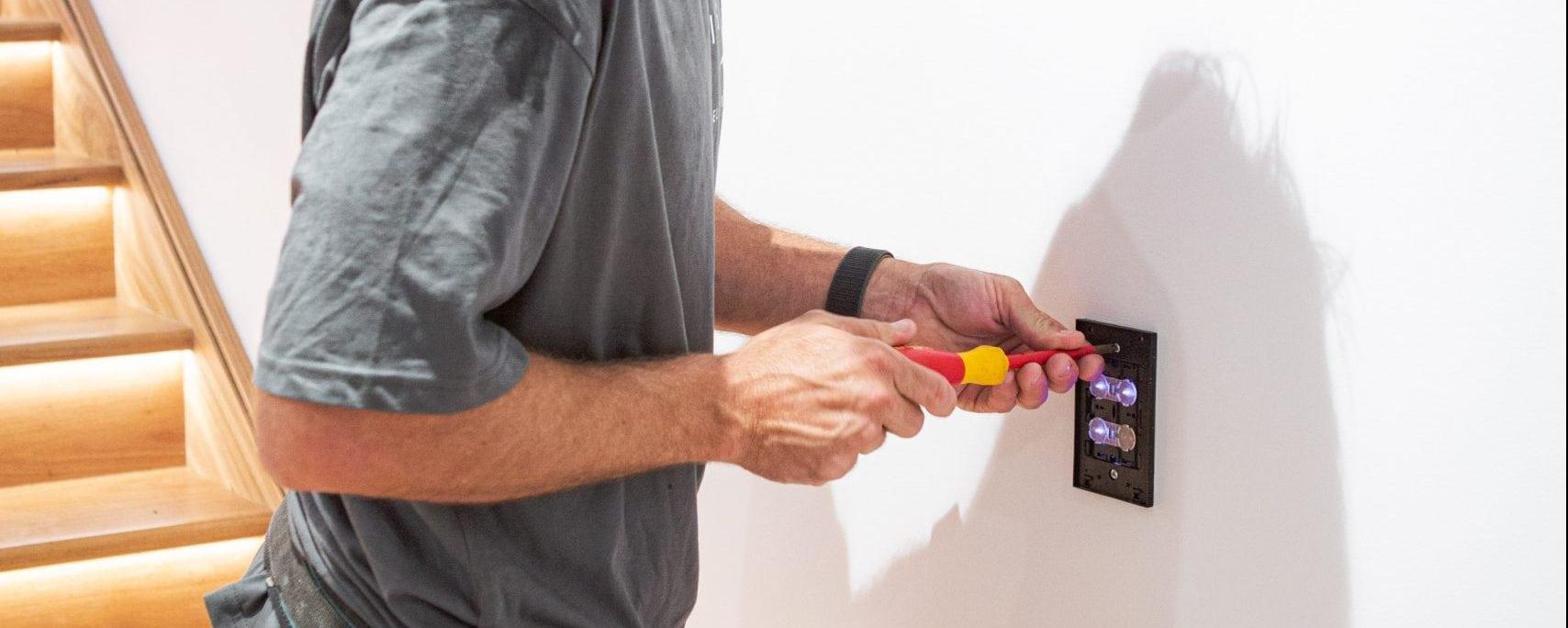
          Electrician installing smart light switch with LED indicators in Newcastle home

          A few simple habits and a bit of care can keep your switch from flipping out again. It just takes keeping an eye on how your home uses electricity.

          Safety Habits Around the Home

          Don’t overload sockets. Limit high-demand devices to single points. Turn off and unplug items like kettles, heaters or tools when not in use – especially in older homes with smaller capacity circuits.

          Device and Appliance Maintenance

          Test switches every three months by using the built-in test button. Schedule yearly appliance and wiring inspections with our Insight team. It saves stress later. Many faults start small but grow if left unchecked.

          Surge Protection and Weather Events

          Use surge protectors during storms and avoid plugging high-draw devices when the weather turns wild. Sudden surges often fry sensitive devices and trip your switch without warning.

          FAQ

          Why does a safety switch keep tripping even with no appliances connected?

          The likely cause is an issue in the circuit itself, such as aged wiring or moisture in the cabling. An electrician will need to investigate further.

          How to tell if a safety switch is faulty or if it’s the wiring?

          If the switch trips even when isolated from all appliances and feels hot or emits noise, it’s probably faulty. Consistent shutdowns without clear triggers point to wiring problems.

          Can I replace a faulty safety switch myself in Australia?

          No, replacing a switch is considered electrical work and must be done by a licensed electrician under Australian law. Contact us if you need help in Newcastle or nearby areas.

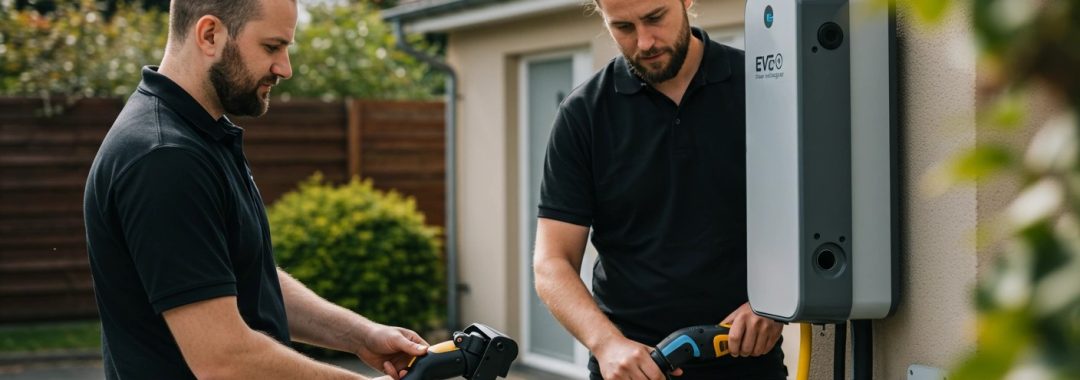
          Two EV charger installers working on a wall-mounted home charger

          Going Electric? How EV Charger Installers Newcastle Make It Easy

          Fumbling through cables at midnight or racing to beat a dying battery shouldn’t be part of your daily routine. EV adoption brings freedom, but everyday charging woes can wear down even the most patient driver.

          We’ve spoken with locals who felt buried in complex rules, unclear pricing, and dodgy install quotes. Truth is, finding a trusted installer with real knowledge of local standards can feel harder than finding a park in peak hour.

          That’s where we step in to make the switch smoother for homeowners, builders, and property managers alike. Our team at Insight Electrical works with you to get it done safely, efficiently, and stress-free.

          Understanding the Move to Electric Vehicles

          The rise of electric cars in Newcastle

          Take a drive around Newcastle these days, and you’ll spot more electric cars than ever before. That’s no accident. State incentives and community shifts are fuelling this rapid uptake. Local interest has surged as people steer away from petrol for ecological and money-saving reasons. Coupled with national efforts to cut emissions, it’s created a groundswell across NSW. Programs and policies have encouraged locals to switch gears – literally – towards a cleaner and quieter ride.

          Why homeowners and businesses are switching

          Whether you’re running a local café or managing a household, ditching fuel bills in favour of electric savings just makes sense. Homeowners benefit from reduced running costs while businesses can use it to meet sustainability targets and attract eco-conscious customers. It’s no surprise many are investing in electric cars and chargers as part of their long-term strategy to lower expenses and support Newcastle’s environmental goals.

          Sustainable transportation in Newcastle

          Newcastle Council is backing sustainability with more than just words. They’ve introduced charging initiatives and partnered with green technology providers. Insight Electrical works alongside these initiatives – installing chargers that work beautifully with solar and battery storage systems. It’s a step towards self-sufficient, clean driving right from your garage or office car park. By installing smart systems, locals are helping power a cleaner future with every drive.

          EV Charging Basics Made Simple

          Electric vehicle connected to a modern wall-mounted EV charger at home
          Home EV Charging Setup with Sleek Charger Design

          Different types of EV chargers

          Choosing the right EV charger starts with understanding your options. A Level 1 charger plugs into a regular wall socket, good for slow overnight charging. Level 2 is faster and best for homes and offices, while Level 3 – known as DC fast chargers – are suited for commercial and on-the-go charging. Each offers different speeds and connections, depending on what your electric vehicle supports.

          How EV charging works

          Charging your EV isn’t much harder than plugging in a phone. Level 1 chargers can take over 20 hours to fully charge some vehicles. Level 2 drops that to just a few hours. Our chargers are compatible with most models and include handy smart features. You can monitor and control charging from your phone, set timers, and choose off-peak charging to save on electricity bills.

          Public EV charging station networks in Newcastle

          Newcastle is growing its public EV infrastructure with chargers along major routes, shopping centres, and public car parks. Locations are mapped through apps, making it easy to plan your stops. Payment is usually app-based, with flexible pricing. With government support, more of these stations will pop up in key areas, helping reduce range anxiety and making charging accessible for everyone.

          Choosing the Right EV Charger for Your Home or Business

          Home vs business charger selection

          Selecting the right EV charger depends on how it’s used. For homes, wall-mounted chargers work great with everyday use. Business needs are often heavier, calling for pedestal units and multiple outlets for fleet vehicles. Insight Electrical recommends load-balanced systems for commercial setups, ensuring buildings don’t get overloaded while several cars are charging at once.

          Key charger models available

          We supply market-leading chargers tailored to Australian homes and businesses. Popular units include Zappi, which syncs with solar panels; the Fronius Wattpilot for intelligent charging; and Ocular IQ and Tesla Wall Connector for versatile installations. Every model comes with built-in safety and energy management features. We help match the right charger to your current and future needs.

          Customisation and integration options

          Pairing your charger with solar and battery storage lets you rely less on the grid. We can install systems that monitor when solar is strongest, triggering EV charging during peak sunshine hours. Some systems also support vehicle-to-grid features, meaning your car battery can power your house during blackouts or peak energy costs. It’s smart energy use, tailored to your lifestyle.

          The EV Charger Installation Process Explained

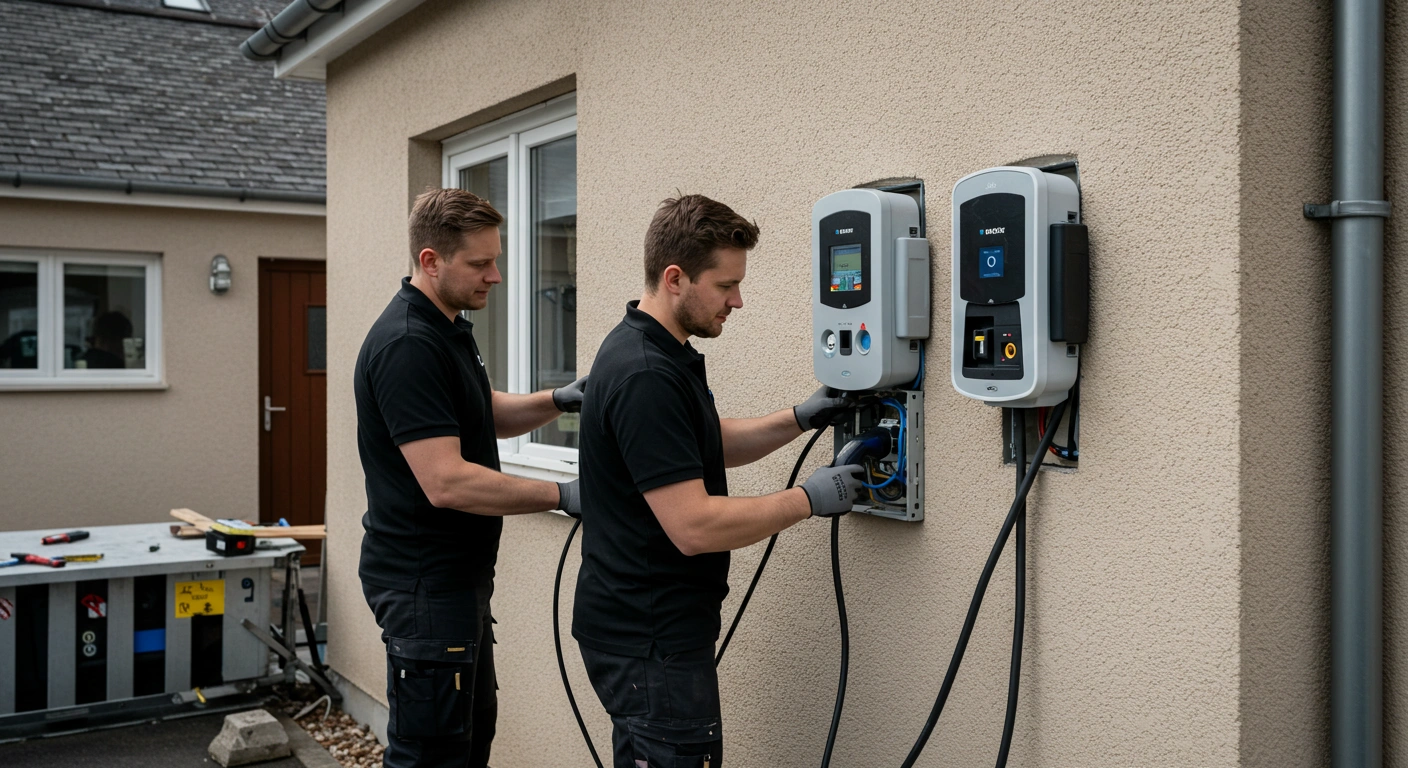
          Technicians wiring dual EV charging stations on house exterior
          EV Charger Wiring and Installation Explained

          What to expect during installation

          Once you book with Insight Electrical, we handle the details. First, our team carries out a full site inspection to see what’s needed. We check your switchboard and power supply before choosing the best installation spot. Timelines depend on setup, but most installations are completed in a day. All our procedures follow safety standards to keep your system compliant and secure.

          Getting your home EV-ready

          Before installing your charger, we look at your home’s current electrical capacity. If needed, we’ll upgrade your switchboard or wiring to support the charger. We also help guide the ideal mounting position to reduce any tripping hazards or cable clutter. Our team ensures your setup is practical, future-ready, and efficient from day one.

          Professional installation vs DIY

          Going the DIY route? It might seem simple but skipping a professional install may void your car warranty or insurance. Worse, poor wiring can pose safety hazards. Insight Electrical’s licensed team ensures proper insulation, safety switches, and council approvals. It’s all done right the first time, so you can charge with peace of mind for years to come.

          Why Choose Local EV Charger Installers in Newcastle?

          Benefits of hiring local professionals

          Working with local installers gives you inside knowledge on Newcastle’s electrical systems and council rules. We’re nearby for follow-ups or support visits. Plus, we stay updated on regional rebates, helping you apply quickly. Our deep community roots mean fast response times and service tailored to local needs – not generic advice from a call centre miles away.

          What sets top installers apart

          With Insight Electrical, you get fully licensed and trained electricians who know EV installation from start to finish. We offer transparent quotes and detailed plans so you know what your home or business is getting. Our design consultations factor in usage, energy costs, and property layout. Nothing is off-the-shelf – everything is thoughtfully done for each client.

          Business and Commercial EV Charging Solutions

          Commercial EV charging station with multiple units in a retail carpark
          Business & Commercial EV Charging Solutions

          Workplace and fleet charging solutions

          We design chargers for staff vehicles, delivery fleets, and customer parking. Features like RFID tags give controlled access and monitor use. These commercial installs can also be written off as part of your business tax deductions. Many companies use charging points to show their commitment to sustainability, which builds real trust among clients and staff alike.

          EV charger infrastructure for property developers

          Developers in Newcastle are now pre-wiring new apartments and housing projects for EV chargers. It makes properties more attractive and future-ready. Insight Electrical provides full integration services – working with solar installers and building managers to power entire complexes with clean energy systems. Installing chargers during construction cuts costs and adds long-term value.

          Council and public sector projects

          We’ve worked on EV rollout projects for Newcastle Council and nearby municipalities. These involve public station installations, smart grid-ready systems, and custom billing setups. Public infrastructure is scaling fast, and our team supports cities and residents with reliable, certified installations that meet public standards and expectations.

          Costs, Rebates, and Financial Benefits

          Typical installation costs in Newcastle

          On average, home charger installations in Newcastle range from $1,200 to $2,500 depending on the charger type and property layout. Commercial installations can start from $3,000 and increase based on multi-bay setups and wiring needs. The biggest variables include distance to the power source, switchboard upgrades, and whether solar integration is required.

          Available rebates and funding support

          NSW and Federal programs provide rebates to encourage EV uptake. Depending on your setup, you may be eligible for discounts on purchase and installation costs. Our team guides you through the application steps so you don’t miss out. Many homeowners and businesses in Newcastle have already claimed these incentives with our help.

          Return on investment considerations

          The savings add up. With cheaper night-time charging and less engine maintenance, electric cars and chargers often pay for themselves over time. Properties with built-in EV compatibility also tend to attract higher resale interest. By pairing your charger with solar systems, you benefit both now and in the future while cutting ongoing energy bills.

          Solar-Powered EV Charger Integrations

          Pairing EV chargers with solar

          Adding solar to your EV charger setup brings huge savings. Insight Electrical installs systems that draw power from your rooftop directly into your car battery, reducing your reliance on the grid. Many clients see a major drop in their power bills and a faster payback on their solar spend when systems are linked this way.

          Environmental and lifestyle benefits

          Charging your EV with solar takes things one step further – zero emissions and full energy control. Plus, you can enjoy guilt-free weekend drives knowing you’re truly using clean energy. Solar also shields your household from rising grid prices, and with smart battery storage added, you can run your home on solar well into the evening.

          Maximising solar ROI through smart EV charging

          Timing is everything. We help set up your system so it charges the car during peak solar hours – a sweet spot for low-cost charging. Smart chargers also divert leftover solar to your home or battery rather than back into the grid. This way, every sunbeam is stretched to its full financial and environmental impact.

          EV Maintenance, Safety and Long-Term Operation

          Safe installation and usage practices

          We never cut corners when it comes to safety. Each system includes circuit protection, surge guards, and weather-resistant enclosures for outdoor setups. Our installers plan everything – from cable routing to grounding – with your home’s safety in mind. Whether it’s rain or shine, your unit is ready and secure.

          Maintaining your home or commercial EV charger

          Just like your car, your charger needs a check-up. Insight Electrical offers optional maintenance packages where we update firmware and inspect hardware. Chargers rarely malfunction, but when they do, fixing them quickly avoids downtime. Our local team is ready whenever something needs checking or tuning.

          Future compatibility and upgradability

          Tech moves fast, but our chargers keep up. We pick models with strong update cycles so you’re covered when car software changes. Many of our chargers support multiple car brands and allow for future upgrades like vehicle-to-home or grid energy sharing. You won’t be locked out of tomorrow’s features.

          Common Myths and Misunderstandings About EV Chargers

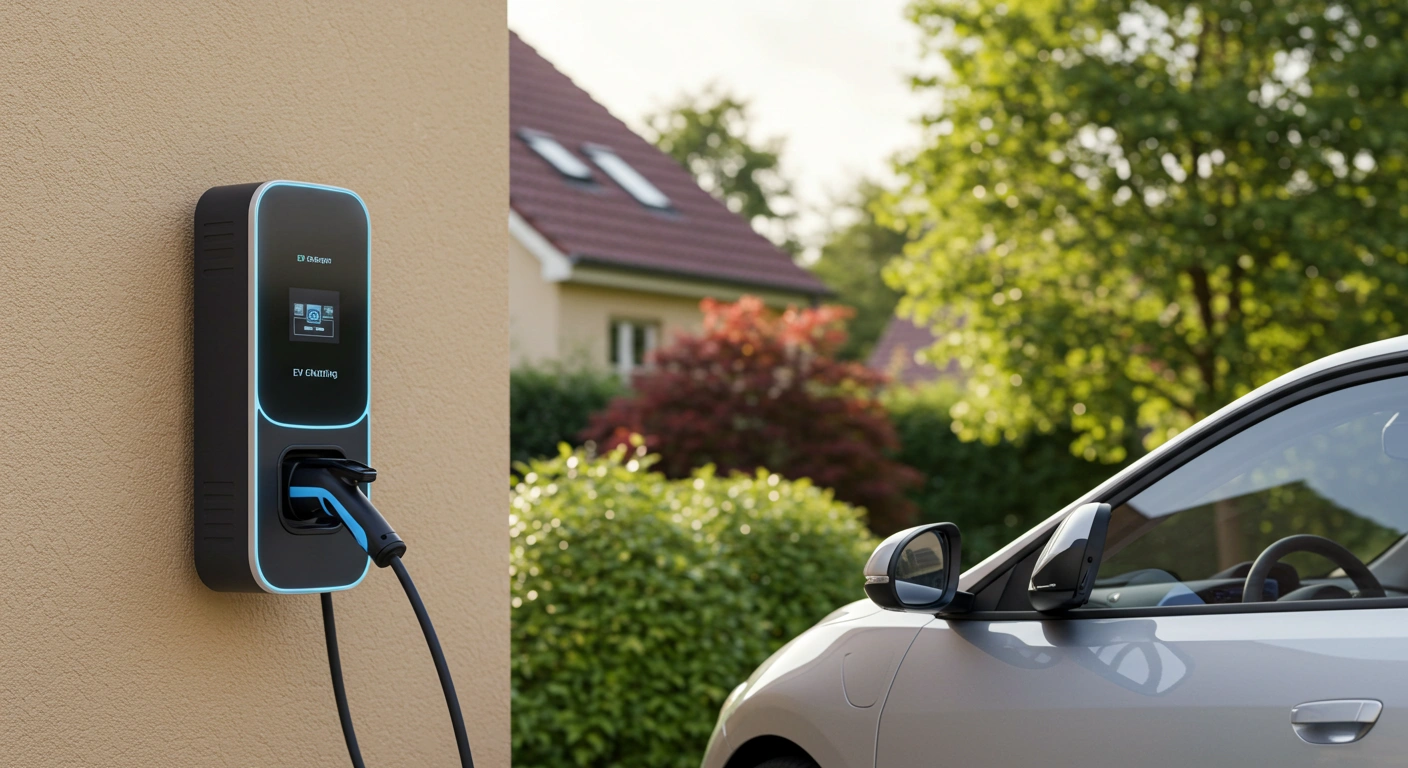
          Wall-mounted EV charger connected to car outside suburban home
          Debunking Common EV Charger Myths

          Debunking EV charger myths

          “EV chargers cost too much!” Not really – especially with rebates. “Charging takes forever!” – not with Level 2 or solar-linked setups. And no, they’re not just for Tesla owners. Most of our installs work with all Australian electric vehicle brands. We select chargers that serve all major makes efficiently.

          Clarifying installation complexity

          People hear “installation” and think of weeks of work. Truth is, a typical install takes about half a day. Insight Electrical handles everything from system assessment to council signoffs. We keep it simple, legal, and safe so you can focus on using your shiny new EV worry-free.

          Reliability of EV charger units

          Our chargers last for 10 years or more when properly maintained. They come with generous warranties and are easy to update. Insight Electrical supports charger systems with local technicians and customer care. That means help is nearby if anything ever pops up.

          FAQs

          1. Is it easy to install an EV charger?

          Yes. With a professional assessment, most installations are quick, neat, and stress-free.

          2. Can a local electrician install an EV charger?

          Yes, but they must be licensed and experienced like our Insight Electrical team to meet safety codes.

          3. What is the average cost of EV charger installation in Newcastle?

          Between $1,200 to $2,500, depending on power needs and charger type.

          4. Where can I find public EV charging stations in Newcastle?

          You’ll find them in shopping centres, public car parks, and road networks across the city.

          5. How do I choose the right type of charger for my vehicle?

          We’ll match the charger to your vehicle’s specs and your daily driving habits.

          6. What preparation is needed before installing an EV charger?

          A site inspection helps us assess wiring and power systems to make sure everything’s ready.

          7. Can I use solar energy to charge my vehicle?

          Absolutely. We install solar-integrated systems that allow for energy-efficient EV charging.

          8. How long does it typically take to install my home EV charger?

          Most installations are completed within 4 to 6 hours.

          9. Are there incentives for installing EV chargers in NSW?

          Yes. Federal and NSW government rebates can reduce your upfront costs. We help with applications.

          Feel Confident Every Time You Plug In

          Getting your charger installed should feel like checking off the easiest task on your list – not a headache. With the right help, the power flows exactly where it should, and your mind stays free of lingering worries. That peace of mind sticks around every time you pull into the driveway.

          You shouldn’t have to second-guess whether it’s done right. Choosing trusted hands means fewer surprises and more confidence in your everyday setup. It’s an upgrade that should feel natural, fitting snugly into your routine without a second thought.

          At Insight Electrical, we make sure your charger fits your life as easily as your schedule. Let us take care of the details – reach out today.