



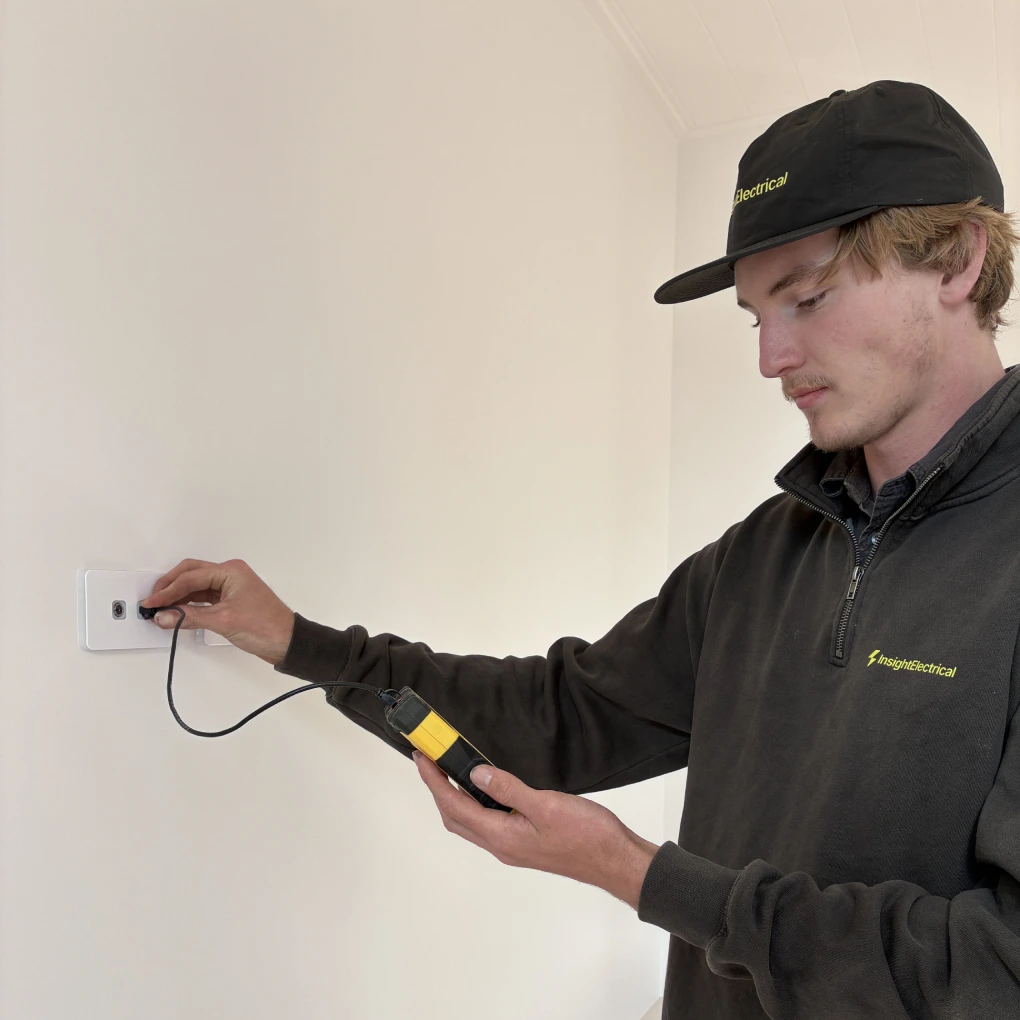
How often should I get an electrical inspection? There’s no set NSW law for owner-occupiers. As a guide, most licensed electrician recommendations are every 5 to 10 years for a newer or recently updated home, and more often, commonly every 3 to 5 years, for an older one. Book sooner after a severe storm, when buying or selling, when a tenancy changes, or if something looks, sounds or smells wrong.
Those intervals are recommendations, not rules. They’re a sensible rhythm for electrical safety, keeping your electrical systems in good condition, especially in older Newcastle and Lake Macquarie homes that still have original wiring or a ceramic fuse board. If you want the local reasons behind that advice, read why Newcastle homes need regular electrical inspections. This guide sticks to timing.
How often should I get an electrical inspection?
How often electrical inspection visits make sense depends mostly on the age and condition of your home, plus what’s happening with it. Here’s a simple guide to electrical inspection frequency for residential electrical work.
| Situation | Typical recommendation | Notes |
|---|---|---|
| Newer or recently updated homes | Every 5 to 10 years | A common range used by Australian electricians, not a NSW legal interval |
| Older homes (especially pre-2000, ceramic fuses or rubber-insulated cable) | Every 3 to 5 years | Sooner if faults show up |
| After a severe storm, flood or lightning | As soon as it’s safe for a licensed electrician to attend | Don’t use anything that got wet until it’s checked |
| Buying or selling | Before you settle or list | A pre purchase electrical inspection |
| Change of tenancy | A licensed check when a tenancy starts or ends is a good idea | Not a stated NSW legal duty |
| Warning signs | Don’t wait for the next scheduled visit | Burning smells, buzzing, warm power points, repeated trips, flickering lights |

A full home electrical inspection is different from the quick safety switch test you can do yourself. The test checks one device. A periodic inspection looks at the whole electrical installation, from the switchboard to the power points.
If you’ve added a lot of new gear, such as air conditioning, an EV charger or solar, it’s worth having the system checked even if your last inspection was recent. Bigger loads put more demand on older boards and cabling.
Does NSW law say how often a home must be inspected?
No. NSW doesn’t set a routine whole-home inspection interval for owner-occupiers. A few rules do apply, though:
- New work: since 1 January 2019, the Wiring Rules (AS/NZS 3000:2018) require safety switches on all final subcircuits in domestic and residential installations, according to the NSW Government.
- Safety switch tests: test your safety switches every three to six months, in line with NSW guidance. That’s a button test on the front of the switch, not an inspection.
- Older homes: for properties built before 2000, the NSW Government strongly recommends asking a licensed electrician to check for safety switches.
- Licensed work only: any electrical work in your home has to be done by a licensed electrician.
The reason it matters: Fire & Rescue NSW statistics show that around 40 per cent of the 4,500 house fires in NSW each year are caused by electrical faults and appliances. A regular safety inspection is one of the simplest ways to catch a fault early.
How often should older homes be inspected?
For older homes, every 3 to 5 years is a sensible guide, and sooner if you notice problems. Homes built before 2000 are more likely to have:
✓ Ceramic fuses instead of circuit breakers, and few or no safety switches
✓ Rubber-insulated cable that becomes brittle with age
✓ Too few power points, which leads to power boards and double adaptors
✓ A switchboard working hard to keep up with modern appliances
In suburbs like Waratah, you can still come across homes with a ceramic fuse board and no earth leakage protection at all. In older Newcastle homes, some switchboards can be close to their limit with today’s appliances. If your inspection turns up ageing cable, read about whether an older Newcastle home needs a rewire. If the board is the issue, these are the signs you may need a switchboard upgrade.
What about rental properties in NSW?
NSW doesn’t have a fixed rental house electrical inspection interval. Victoria has a two-yearly rental electrical safety check, but that is Victorian law and doesn’t apply in Newcastle. What NSW does require, according to NSW Fair Trading:
- Condition report: at the start of a tenancy, the report records visible electrical hazards, such as loose wiring or damaged power points, and whether there’s a working safety switch.
- Urgent repairs: any electrical fault before or during a tenancy is an urgent repair, and the landlord needs to have it fixed within a reasonable time frame.
For landlords, an electrical safety inspection between tenants is still a good idea. It’s the easiest way to pick up worn power points, faulty safety switches or old wiring before the next tenant moves in, and it helps you fill in the condition report accurately.
When should I book an inspection sooner?
Don’t wait for your next planned visit in these situations:
- After a severe storm, flood or lightning strike: if water has got into power points, the switchboard or the roof space, keep clear and have a licensed electrician check it as soon as it’s safe.
- Buying or selling: a pre purchase electrical inspection before you settle tells you what you’re taking on. If you’re selling, it lets you fix issues before buyers find them.
- Renovating or adding big appliances: air con, an EV charger, solar or a new kitchen can push an older system past what it was built for.
- Warning signs: a burning smell, buzzing, warm or discoloured power points, lights that dim or flicker, or breakers that keep tripping.
If you notice any of these, our guides on a burning smell from the switchboard, a buzzing switchboard and why a circuit breaker trips explain what to do next.
What does a licensed electrician check?
What do they check on an electrical inspection? It varies with the home, but a typical inspection checklist covers:
✓ The switchboard, also called the electrical panel: its condition, circuit breakers, fuses and labelling
✓ Safety switches: which circuits they protect and whether they trip when tested
✓ Power points and switches: damage, heat marks and loose fittings
✓ Accessible electrical wiring and other electrical components, including what can be seen in the roof space
✓ Smoke alarms, where included in the visit
✓ A written electrical inspection report explaining what was found and what, if anything, needs attention
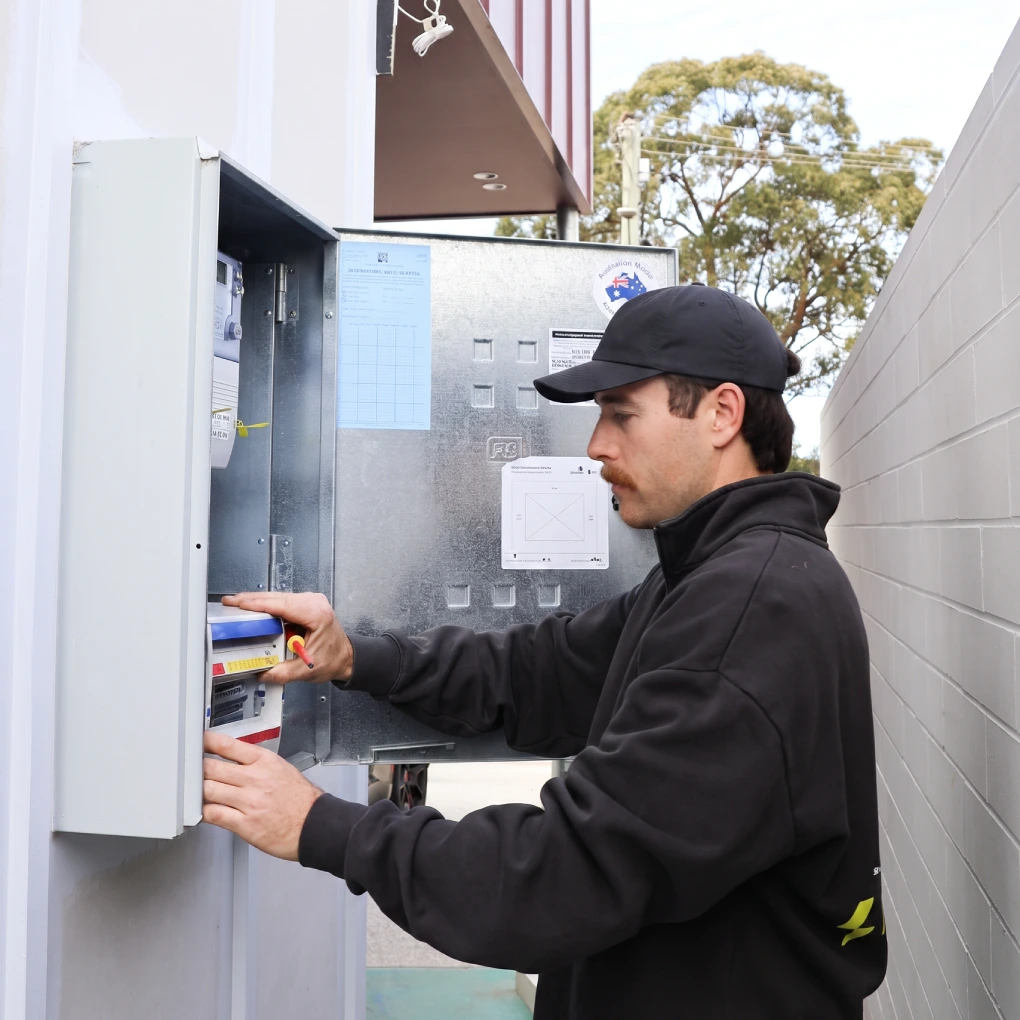
This electrical testing and visual check is about safety, not selling you work. We only replace switchboards if they pose a significant safety risk due to age or wear. If a circuit can be repaired, we repair it. If it genuinely needs replacing, we show you why.
How long does an electrical inspection take? It depends on the size and age of the home and what’s found, so ask for an estimate when you book.
Frequently asked questions
How often should I get an electrical inspection?
As a guide, every 5 to 10 years for a newer or recently updated home, and every 3 to 5 years for an older one. Book sooner after storm damage, when buying or selling, at a change of tenancy or if you notice warning signs.
Does NSW law require a regular electrical inspection for homeowners?
No. NSW doesn’t set a routine inspection interval for owner-occupiers. New work must include safety switches on all final subcircuits, safety switches should be tested every three to six months, in line with NSW guidance, and all electrical work must be done by a licensed electrician.
Do NSW rental properties need an electrical inspection between tenants?
There’s no fixed NSW rule requiring one. The condition report must record visible electrical hazards and whether a safety switch is working, and electrical faults are urgent repairs. A licensed check between tenants is still a good idea.
When should I get an electrical inspection sooner than planned?
After a severe storm, flood or lightning strike, before buying or selling, when renovating or adding big appliances, and whenever you notice a burning smell, buzzing, warm power points, flickering lights or repeated tripping.
What does an electrician check during a home electrical inspection?
The switchboard, safety switches, power points and switches, accessible wiring and other electrical components, and often smoke alarms. You should receive a written report explaining what was found.
Book an electrical inspection with Insight Electrical
If it’s been a while since your home was checked, or you’re buying, selling or renting out a property, we can help. Our licensed electricians work across Newcastle, Lake Macquarie and the Hunter from our base in Redhead, with over 40 years of combined experience. We’re punctual and we respect your time. We provide emergency call-out services during operating hours and will always do our best to assist.
Call Insight Electrical on 0468 043 743 (Monday to Friday, 7am to 5pm) or contact Insight Electrical online. You can also read about our electrical service and maintenance in Newcastle, book a residential electrician in Newcastle or see our switchboard upgrade in Newcastle service.